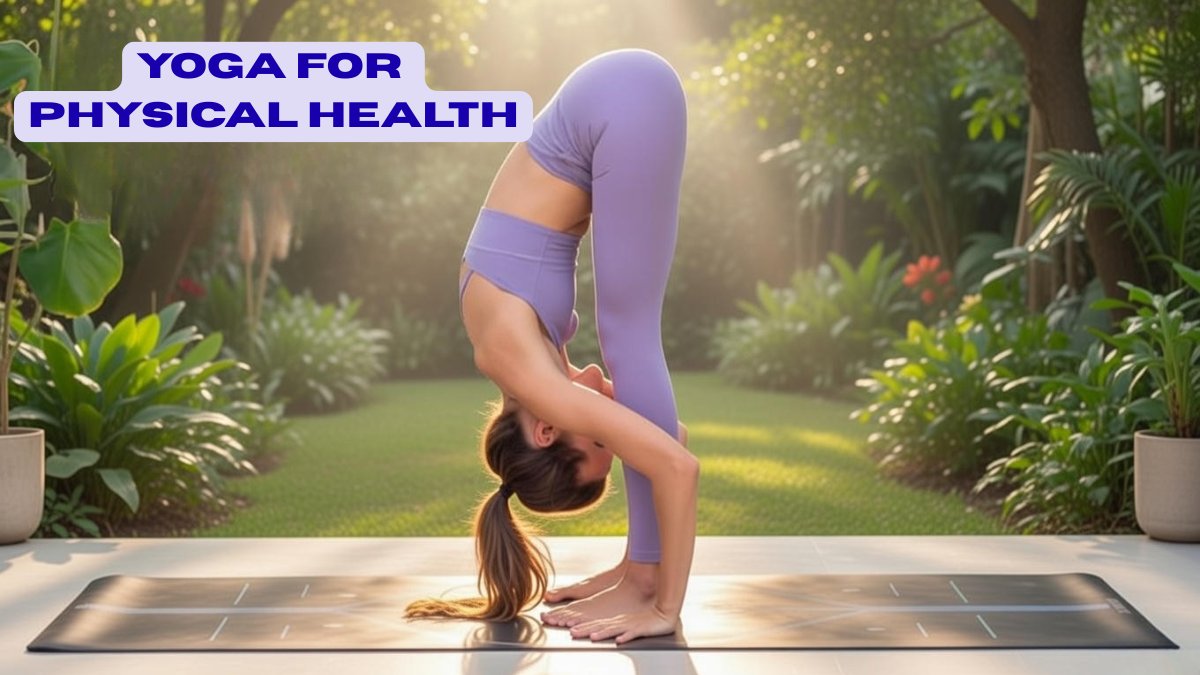
In a world where busy schedules, screen time, and constant pressure dominate daily life, physical fatigue and mental stress have become common problems. Many people struggle with stiffness in the body, low energy levels, poor focus, and emotional overwhelm. While long workouts or meditation retreats sound ideal, they are often unrealistic for everyday life. The good news is that you don’t need hours to feel better. A 15-minute yoga routine, when practised consistently, can significantly improve both physical strength and mental calm.
Yoga is unique because it connects movement with breath and awareness. Even a short daily session helps stretch tight muscles, strengthen weak areas, calm the nervous system, and clear mental clutter. This article explains a simple yet effective 15-minute yoga routine designed to enhance overall physical and mental wellness, making it suitable for beginners as well as experienced practitioners.
Why Just 15 Minutes of Yoga Is Enough
Many people believe meaningful results require long workout sessions, but yoga works differently. Its effectiveness comes from mindful movement and breath control rather than intensity or duration. In just 15 minutes, you can activate major muscle groups, improve circulation, and shift your nervous system from stress mode to relaxation mode.
Short yoga sessions are easier to maintain consistently, which is key to long-term wellness. Practising daily, even for a short time, helps reduce accumulated tension, improves posture, and builds emotional resilience. Over time, this consistency supports better sleep, improved focus, and a more balanced mood.
How Yoga Supports Both Body and Mind
Yoga impacts the body and mind simultaneously. Physically, it improves flexibility, balance, strength, and joint mobility. Mentally, it encourages mindfulness, reduces stress hormones, and improves emotional regulation.

The slow, intentional breathing used in yoga signals the nervous system to relax. This reduces anxiety and mental restlessness while improving clarity and concentration. When combined with gentle movement, yoga becomes a powerful tool for holistic wellness rather than just physical exercise.
Begin With Gentle Breathing and Awareness
Before starting physical poses, spend a minute connecting with your breath. Sit comfortably or stand still with your eyes closed. Inhale slowly through your nose, feeling your chest and abdomen expand. Exhale fully, releasing tension from your shoulders and jaw.
This simple breathing practice prepares both your body and mind. It improves oxygen flow, sharpens focus, and helps you transition away from distractions. Once your breathing feels steady, move into the yoga poses.
Mountain Pose for Posture and Grounding
Mountain Pose is a foundational posture that teaches alignment and body awareness. Stand tall with feet hip-width apart, arms relaxed by your sides. Press evenly through both feet and lengthen your spine upward.
This pose may look simple, but it strengthens the legs, engages the core, and improves posture. Mentally, it promotes grounding and presence, helping you feel stable and centred before moving into more dynamic poses.

Cat Cow Pose to Release Spinal Tension
Cat Cow is a gentle flow that improves spinal mobility and relieves tension in the back and neck. Come onto your hands and knees with a neutral spine. Inhale as you arch your back and lift your chest. Exhale as you round your spine and draw your chin toward your chest.
Move slowly with your breath for one to two minutes. This pose increases flexibility, improves circulation along the spine, and encourages mindful breathing. It is especially helpful for people who sit for long hours.
Downward Facing Dog for Full Body Activation
Downward Facing Dog is one of the most effective poses for overall physical wellness. From hands and knees, lift your hips upward and back, forming an inverted V shape. Keep your spine long and knees slightly bent if needed.
This pose stretches the hamstrings, calves, shoulders, and back while strengthening the arms and core. It also improves blood flow and helps release built-up tension. Mentally, the gentle inversion can feel refreshing and energizing.
Warrior II Pose for Strength and Focus
Warrior II builds physical strength and mental determination. Stand with feet wide apart, turn one foot outward, and bend the front knee while extending your arms at shoulder height.

This pose strengthens the legs, hips, and shoulders while improving balance and stability. Holding Warrior II requires focus and controlled breathing, which trains the mind to stay present even during physical effort. This combination enhances confidence and mental resilience.
Seated Forward Fold for Calm and Flexibility
Seated Forward Fold is a calming posture that stretches the hamstrings and lower back. Sit with legs extended, inhale to lengthen your spine, and exhale as you fold forward gently from the hips.
This pose encourages introspection and relaxation. It helps calm the nervous system, reduce mental noise, and ease physical stiffness. Forward folds are especially effective for releasing stress and promoting a sense of inward focus.
Child’s Pose to Reset the Nervous System
Child’s Pose is a deeply restorative posture that allows both body and mind to relax. From a kneeling position, sit back on your heels and stretch your arms forward, lowering your forehead toward the mat.
This pose gently stretches the spine and hips while calming the nervous system. It is ideal for releasing emotional tension and creating a sense of safety and rest during your practice.

Savasana for Deep Mental Relaxation
Savasana is the final and most important part of your yoga practice. Lie on your back with arms relaxed and palms facing upward. Close your eyes and breathe naturally.
During Savasana, your body integrates the benefits of the practice. This pose reduces stress, lowers mental fatigue, and promotes deep relaxation. Even a few minutes of conscious rest can significantly improve mood and mental clarity.
Key Benefits of a Daily 15-Minute Yoga Practice
• Improves flexibility, balance, and muscle strength
• Reduces stress, anxiety, and mental fatigue
• Enhances focus, emotional stability, and clarity
• Supports better posture, sleep, and energy levels
These benefits become more noticeable with regular practice.
Tips to Get the Most Out of Your Practice
Practise at a consistent time each day to build a habit. Focus on slow, steady breathing rather than pushing your body. Modify poses as needed and avoid any movement that causes pain. Remember that progress in yoga comes from patience and consistency, not force.

Conclusion
Enhancing physical and mental wellness does not require long workouts or complicated routines. A simple 15-minute yoga practice that combines mindful breathing, gentle stretching, and controlled movement can make a meaningful difference in how you feel each day. With poses like Mountain, Cat Cow, Downward Facing Dog, Warrior II, Seated Forward Fold, Child’s Pose, and Savasana, you can support your body’s strength and your mind’s calm in a balanced, sustainable way.
Disclaimer: This article is for general wellness and informational purposes only and does not replace professional medical advice. Always consult a qualified healthcare provider before starting a new exercise routine.