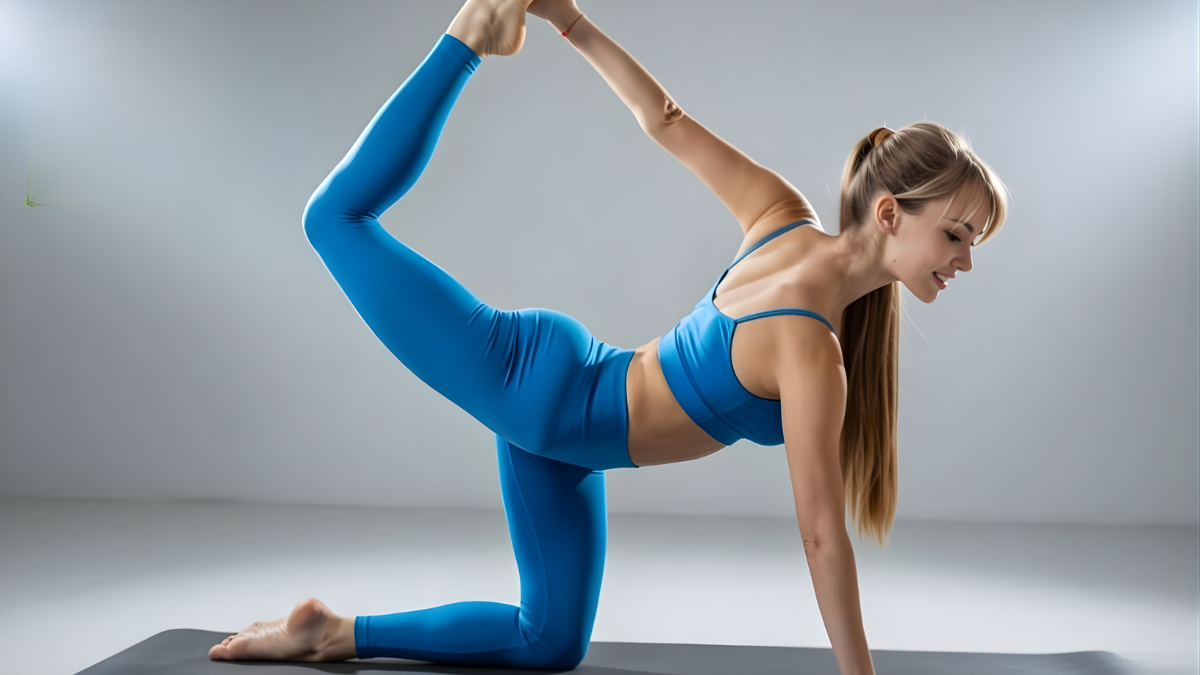
Knee tension and pain are becoming increasingly common due to sedentary lifestyles, long sitting hours, excess body weight, aging joints, and weak supporting muscles. Simple daily activities like walking, climbing stairs, squatting, or standing for long periods can start feeling uncomfortable when the knees are under constant stress. Many people immediately turn to painkillers or avoid movement altogether, but this often worsens stiffness over time.
Gentle and mindful yoga offers a natural way to reduce knee tension, strengthen surrounding muscles, and improve joint stability without putting excess pressure on the knees. The key is choosing the right poses that focus on support, alignment, and controlled movement rather than deep bending or high impact. This article explains four essential yoga poses that can help reduce knee tension and pain while improving mobility and confidence in daily movement.
Why Knee Pain and Tension Develop Over Time
The knee joint relies heavily on surrounding muscles like the quadriceps, hamstrings, calves, and hips for stability. When these muscles are weak or tight, the knee absorbs more stress than it should. Poor posture, lack of movement, repetitive strain, and improper alignment during walking or exercise can all contribute to knee discomfort.
As we age, joint lubrication may reduce and muscles may lose strength, making the knees more vulnerable to stiffness and pain. Yoga helps by gently strengthening these support muscles, improving flexibility, and increasing awareness of how the knees move during everyday activities.
How Yoga Supports Knee Health Safely
Yoga is low impact, making it ideal for sensitive joints like the knees. Instead of sudden or forceful movements, yoga emphasizes slow transitions, steady breathing, and proper alignment. This approach allows the muscles around the knee to strengthen gradually, reducing joint strain.

Yoga also improves circulation, which helps nourish joint tissues and reduce stiffness. When practised consistently, it can improve balance, coordination, and confidence in movement, all of which are essential for long-term knee health.
Bridge Pose to Strengthen Knee Support Muscles
Bridge Pose is one of the most effective poses for knee pain because it strengthens the muscles that take pressure off the knee joint. By activating the glutes and hamstrings, this pose helps stabilize knee movement and reduce unnecessary strain.
Lie on your back with knees bent and feet flat on the floor, hip-width apart. Press into your feet and lift your hips gently while keeping your thighs parallel. Hold for a few breaths and lower slowly. This controlled movement builds strength without forcing the knee into deep flexion.
Practising Bridge Pose regularly helps improve lower body strength, supports proper knee alignment, and reduces tension caused by weak muscles.
Warrior II Pose for Knee Alignment and Stability
Warrior II is a standing pose that improves knee alignment while strengthening the thighs, hips, and calves. Proper alignment in this pose teaches the knee to track safely over the ankle, which is essential for preventing pain.
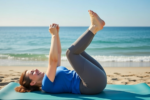
Stand with legs wide apart, turn one foot outward, and bend the front knee so it stays directly above the ankle. Keep your spine upright and arms extended. Avoid letting the knee collapse inward. Hold the pose while breathing steadily, then switch sides.
This pose builds endurance in the legs and trains the body to move with better control, which reduces stress on the knee during walking and standing activities.
Chair Pose to Build Knee Stability
Chair Pose strengthens the quadriceps, one of the most important muscle groups for knee support. When practised with awareness, it builds strength without placing excessive pressure on the joint.
Stand with feet hip-width apart and slowly bend your knees as if sitting back into a chair. Keep your weight evenly distributed through your feet and ensure your knees stay aligned with your toes. Hold for a few breaths and rise slowly.
Chair Pose improves muscle control and knee stability, making everyday movements like sitting and standing easier and less painful over time.

Child’s Pose to Release Knee and Leg Tension
Child’s Pose is a gentle resting posture that helps release tension around the knees, hips, and thighs. Tight muscles in these areas can pull on the knee joint and increase discomfort.
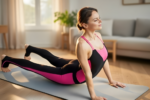
From a kneeling position, sit back toward your heels and stretch your arms forward, allowing your spine and legs to relax. Use a cushion or folded blanket under your knees if needed for comfort. Breathe deeply and stay in the pose for several breaths.
This pose is especially helpful after strengthening poses, as it allows the knees to relax and recover while promoting calm breathing and relaxation.
Key Benefits of These Yoga Poses for Knee Pain
• Strengthen muscles that support and protect the knee joint
• Improve alignment and movement awareness
• Reduce stiffness and muscular tension around the knees
• Enhance balance and confidence during daily activities
Together, these benefits help reduce pain while improving overall knee function.
Tips for Practising Yoga Safely With Knee Pain
Practising yoga with knee discomfort requires mindfulness. Always warm up gently before holding poses. Avoid forcing your knees into deep bends or painful positions. Use props like cushions, yoga blocks, or folded towels for extra support.
Focus on slow, controlled movements rather than depth. Pain should never be sharp or intense. Consistency is more important than duration. Even 10 to 15 minutes a day can bring noticeable improvement over time.
Who Can Benefit Most From These Poses
These poses are especially helpful for people who experience knee tension from long sitting hours, mild arthritis, weak leg muscles, or general stiffness. They are also suitable for beginners and older adults looking for gentle joint care.
If knee pain is severe, persistent, or caused by injury, it is important to consult a healthcare professional before starting any exercise routine.
Conclusion
Knee tension and pain do not have to limit your daily life. With gentle, supportive yoga poses like Bridge Pose, Warrior II, Chair Pose, and Child’s Pose, you can strengthen the muscles that protect your knees, improve alignment, and reduce discomfort naturally. When practised regularly and mindfully, these four essential yoga poses can help you move with greater ease, confidence, and comfort over time.
Disclaimer: This article is for general wellness and informational purposes only and does not replace professional medical advice. Always consult a qualified healthcare provider if knee pain persists or worsens.