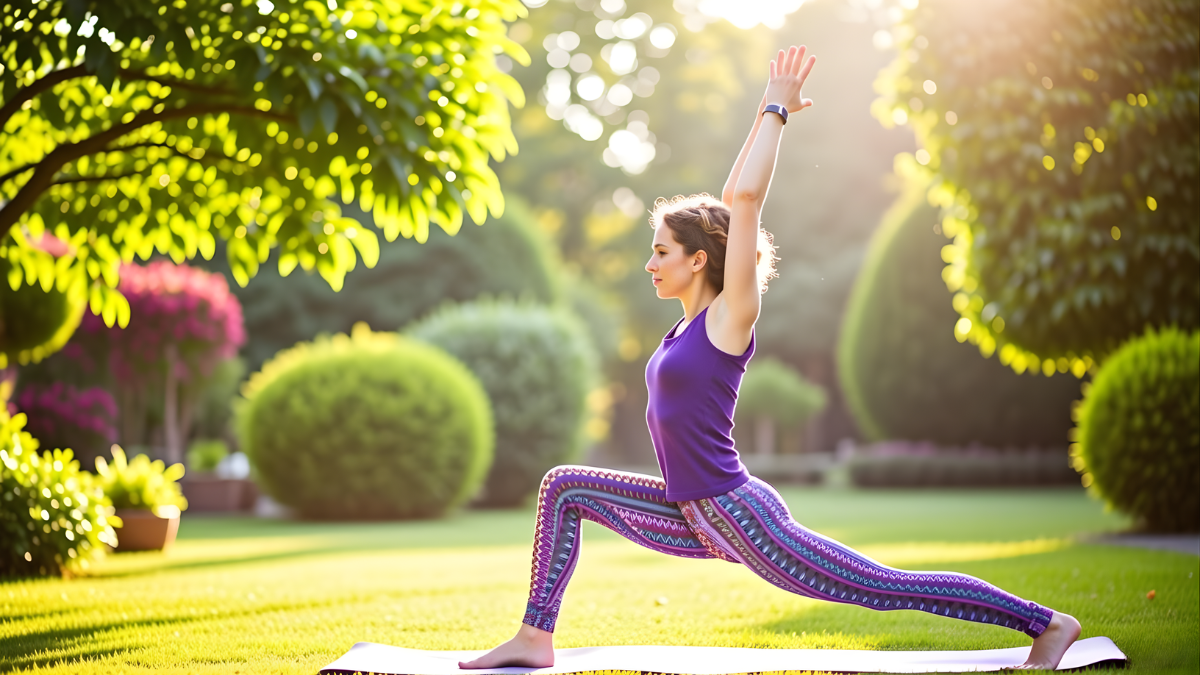
If weak or flabby thighs are affecting your confidence, posture, or overall fitness, you are not alone. Many people struggle to tone their thighs even after walking, jogging, or doing basic workouts. The good news is that you do not need heavy gym equipment or intense routines to see visible improvement. Yoga, when practiced with the right poses and consistency, can be one of the most effective ways to strengthen, tone, and sculpt your thigh muscles naturally.
Yoga works deeply on muscles using body weight, balance, and controlled holds. Certain asanas specifically activate the quadriceps, hamstrings, inner thighs, and glutes, helping reduce flabbiness while improving strength and endurance. Below are four powerful yoga poses that target weak thighs and deliver results faster than most people expect.
Why Yoga Is Highly Effective for Thigh Strengthening
Yoga is often misunderstood as only a stretching or relaxation practice. In reality, many yoga poses demand sustained muscle engagement, which builds strength similar to resistance training. When you hold a pose, your thigh muscles remain under tension, forcing them to adapt and become stronger over time.
Another reason yoga works so well is muscle coordination. Instead of isolating one muscle, yoga activates multiple muscle groups together. This improves functional strength, balance, and muscle tone. Yoga also improves blood circulation in the lower body, supporting muscle recovery and fat reduction around the thighs.
Unlike high-impact exercises, yoga is gentle on the joints, making it suitable for beginners, older adults, and people recovering from injuries.

Chair Pose Utkatasana for Strong and Toned Thighs
Chair Pose is one of the most effective yoga poses for thigh strengthening. It directly targets the quadriceps, hamstrings, glutes, and hip muscles. The posture mimics a squat, forcing your thigh muscles to support your body weight.
As you lower your hips and hold the position, your thigh muscles remain constantly engaged. This sustained tension helps build muscle strength and improve definition. Chair Pose also strengthens the core and improves posture, which indirectly enhances leg alignment and muscle activation.
With regular practice, this pose helps tighten loose thigh muscles and improves stamina in the lower body.
Warrior II Virabhadrasana II for Power and Stability
Warrior II is a classic standing yoga pose that builds strength, endurance, and stability in the thighs. The front leg works intensely as the knee bends, engaging the quadriceps and hamstrings, while the back leg remains strong and grounded.
Holding Warrior II for longer durations increases muscle endurance, which is key for toning flabby thighs. This pose also improves hip flexibility and balance, making the thighs work harder to stabilize the body.

Another major benefit of Warrior II is mental focus. Maintaining the posture requires concentration, which helps you stay connected to your muscles and improve mind-body awareness.
Triangle Pose Trikonasana for Strength and Flexibility
Triangle Pose offers a unique combination of strengthening and stretching the thigh muscles. While many people see it as a stretching posture, it actually requires strong engagement of the quadriceps and inner thigh muscles to maintain balance and alignment.
This pose helps lengthen tight thigh muscles while strengthening them at the same time. Improved flexibility allows muscles to work more efficiently, reducing the appearance of flabbiness over time.
Triangle Pose also supports better hip and knee alignment, which is important for safe and effective thigh strengthening in daily activities and other exercises.
Goddess Pose Utkata Konasana for Inner Thigh Toning
Goddess Pose is especially powerful for targeting inner thigh muscles, which are often neglected in regular workouts. This wide-legged squat-like posture activates the adductors, glutes, and quadriceps simultaneously.

The deeper you sink into the pose and the longer you hold it, the more your inner thighs are forced to engage. This helps reduce inner thigh flab and improves muscle firmness. Goddess Pose also strengthens the hips and improves lower body endurance.
Regular practice of this pose can lead to noticeable improvement in thigh tone and leg strength within weeks.
How Often Should You Practice These Yoga Poses
Consistency plays a crucial role in seeing results. Practicing these four yoga poses three to four times a week is enough to strengthen and tone your thighs effectively. Beginners can start by holding each pose for 20 to 30 seconds and gradually increase the duration to one minute or more.
Combining these poses into a short sequence helps keep the thigh muscles engaged throughout the practice. Rest days are also important, as muscles need time to recover and grow stronger.
Tips to Maximize Thigh Toning Results
To get the best results, focus on proper alignment rather than how deep you go into a pose. Correct posture ensures that the thigh muscles are doing the work instead of the joints. Controlled breathing helps maintain balance and improves muscle endurance.

Pairing yoga with a balanced diet and adequate hydration further enhances muscle tone. Even small lifestyle changes, when combined with consistent yoga practice, can significantly improve thigh strength and appearance.
Conclusion
Weak or flabby thighs do not require extreme workouts or complicated gym routines to improve. With focused yoga poses like Chair Pose, Warrior II, Triangle Pose, and Goddess Pose, you can build strength, tone muscles, and enhance flexibility at the same time. These poses work deeply on the thigh muscles, helping you achieve firmer, stronger legs naturally.
By practicing regularly and paying attention to alignment and breathing, you can expect visible improvements in thigh tone, balance, and lower body strength sooner than you might expect.
Disclaimer: This content is for informational purposes only and should not be considered a substitute for professional medical or fitness advice.