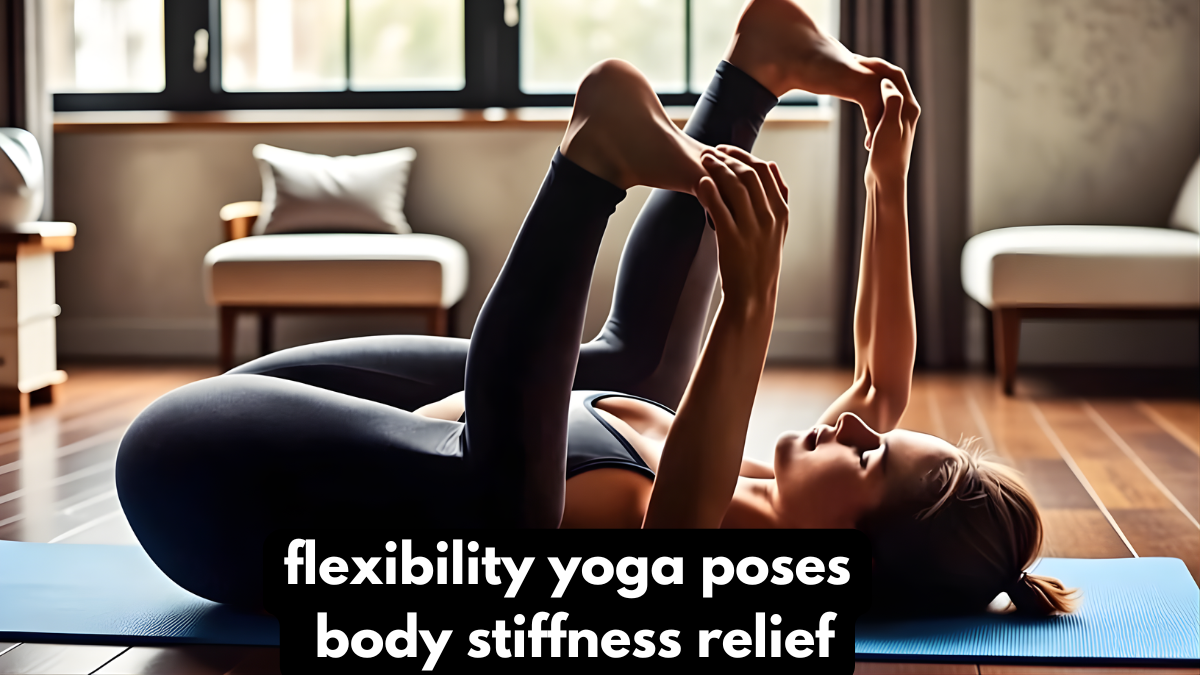
Body stiffness has become a silent problem in modern life. Long hours of sitting, minimal movement, poor posture, and constant screen time slowly reduce flexibility and make even simple movements feel uncomfortable. Tight hips, a rigid lower back, stiff shoulders, and restricted hamstrings are now common complaints across all age groups. Yoga offers a natural and highly effective way to reverse this stiffness while improving overall flexibility, balance, and body awareness.
This article explores twelve powerful yoga poses that help release built-up tension, improve joint mobility, and gradually restore flexibility across the entire body. These poses are suitable for beginners and experienced practitioners and can be practiced at home without special equipment.
How Yoga Helps Release Stiffness and Improve Flexibility
Yoga works on both muscles and connective tissues by gently lengthening them through sustained stretches and controlled movement. Unlike sudden or forceful exercises, yoga encourages gradual release of tightness while promoting blood circulation to stiff areas. This improves joint lubrication, muscle elasticity, and posture over time.
Regular yoga practice also trains the nervous system to relax, reducing the unconscious muscle tightening caused by stress and mental fatigue. As flexibility improves, everyday movements such as bending, walking, and reaching become smoother and pain-free.
Mountain Pose for Postural Alignment and Full-Body Awareness
Mountain Pose may look simple, but it plays a crucial role in releasing stiffness caused by poor posture. Standing tall with proper alignment helps lengthen the spine, engage the legs, and release tension in the lower back and hips. This pose improves body awareness and sets the foundation for deeper stretches.
Practicing Mountain Pose regularly helps correct slouching habits and encourages even weight distribution throughout the body, which reduces unnecessary strain on joints.

Cat and Cow Flow to Mobilize the Spine
Cat and Cow is one of the best movements for spinal flexibility. This gentle flow alternates between spinal extension and flexion, helping to release stiffness in the neck, upper back, and lower back. It also improves coordination between breath and movement.
This pose is especially beneficial for people who sit for long hours, as it counteracts compression in the spine and restores natural mobility to each vertebra.
Standing Forward Fold for Hamstrings and Lower Back
Standing Forward Fold provides a deep stretch to the hamstrings, calves, and lower back. These muscles often become tight due to prolonged sitting or limited physical activity. Allowing the upper body to hang freely helps release spinal tension and calms the nervous system.
With consistent practice, this pose improves flexibility in the posterior chain and reduces stiffness that contributes to lower back discomfort.
Downward Facing Dog for Full-Body Stretching
Downward Facing Dog is a powerful pose that stretches multiple muscle groups simultaneously. It lengthens the spine, opens the shoulders, stretches the hamstrings, and engages the calves. This pose also strengthens the arms and improves circulation throughout the body.
Holding this posture with steady breathing helps release deep-seated tension while improving overall mobility and endurance.
Child’s Pose for Gentle Release and Relaxation
Child’s Pose offers a gentle stretch for the hips, thighs, and lower back while allowing the body to fully relax. It is an excellent posture for releasing stiffness caused by stress or physical fatigue.
This pose encourages deep breathing and nervous system relaxation, making it ideal for recovery between more intense stretches.
Cobra Pose to Counteract Slouching
Cobra Pose is highly effective for opening the chest and improving spinal flexibility. It stretches the abdominal muscles and strengthens the back, helping reverse the effects of prolonged sitting and rounded shoulders.
Regular practice of Cobra Pose improves posture, reduces stiffness in the upper body, and enhances spinal mobility without excessive strain.
Pigeon Pose to Open Tight Hips
Pigeon Pose targets the hips, glutes, and hip flexors, which are among the most commonly tight areas in the body. Stiff hips can restrict movement and contribute to lower back pain.
This pose allows deep hip release while improving circulation to the pelvic region. Over time, it significantly increases hip flexibility and reduces discomfort caused by prolonged sitting.

Low Lunge to Stretch Hip Flexors and Thighs
Low Lunge deeply stretches the hip flexors and quadriceps while improving balance and lower-body strength. Tight hip flexors often pull the pelvis forward, leading to lower back stiffness.
Practicing this pose regularly helps restore natural pelvic alignment and improves walking and running mechanics.
Tree Pose to Improve Balance and Joint Mobility
Tree Pose strengthens the legs while gently stretching the ankles, calves, and inner thighs. Balance-focused poses like this one enhance joint stability and coordination, which supports long-term flexibility.
Maintaining balance in Tree Pose also improves focus and body awareness, helping prevent injuries during movement.
Seated Forward Fold for Deep Posterior Stretch
Seated Forward Fold provides a controlled stretch to the hamstrings and lower back while calming the mind. This pose encourages gradual lengthening rather than force, making it suitable for beginners.
It is especially helpful for releasing stiffness that builds up after long periods of inactivity.
Sphinx Pose for Gentle Back Extension
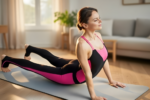
Sphinx Pose offers a mild backbend that stretches the spine without excessive pressure. It is ideal for people with sensitive lower backs who still want to improve spinal flexibility.
This pose helps strengthen the back muscles while gently opening the chest and improving posture.
Wide-Legged Forward Bend for Hips and Inner Thighs
Wide-Legged Forward Bend stretches the inner thighs, hamstrings, and hips while promoting relaxation. This pose also encourages blood flow to the upper body and releases tension from the lower spine.
With regular practice, it improves flexibility in the lower body and supports overall mobility.
Tips to Practice Safely and See Results Faster
Yoga should be practiced with patience and consistency. Move slowly into each pose, focus on deep breathing, and avoid forcing your body beyond its limits. Holding poses for several breaths allows muscles to relax and lengthen naturally.
Even a short daily routine of fifteen to twenty minutes can produce noticeable improvements in flexibility within a few weeks.
Conclusion
Body stiffness does not develop overnight, and it does not disappear instantly. These twelve yoga poses offer a balanced approach to releasing tight muscles, improving joint mobility, and restoring natural flexibility. With regular practice, yoga can help your body feel lighter, more agile, and free from the discomfort caused by stiffness.
By making yoga a part of your routine, you invest in long-term physical health, improved posture, and greater ease of movement in everyday life.
Disclaimer: This content is for informational purposes only and does not replace professional medical or fitness advice. Consult a qualified instructor or healthcare provider before starting any new exercise routine.