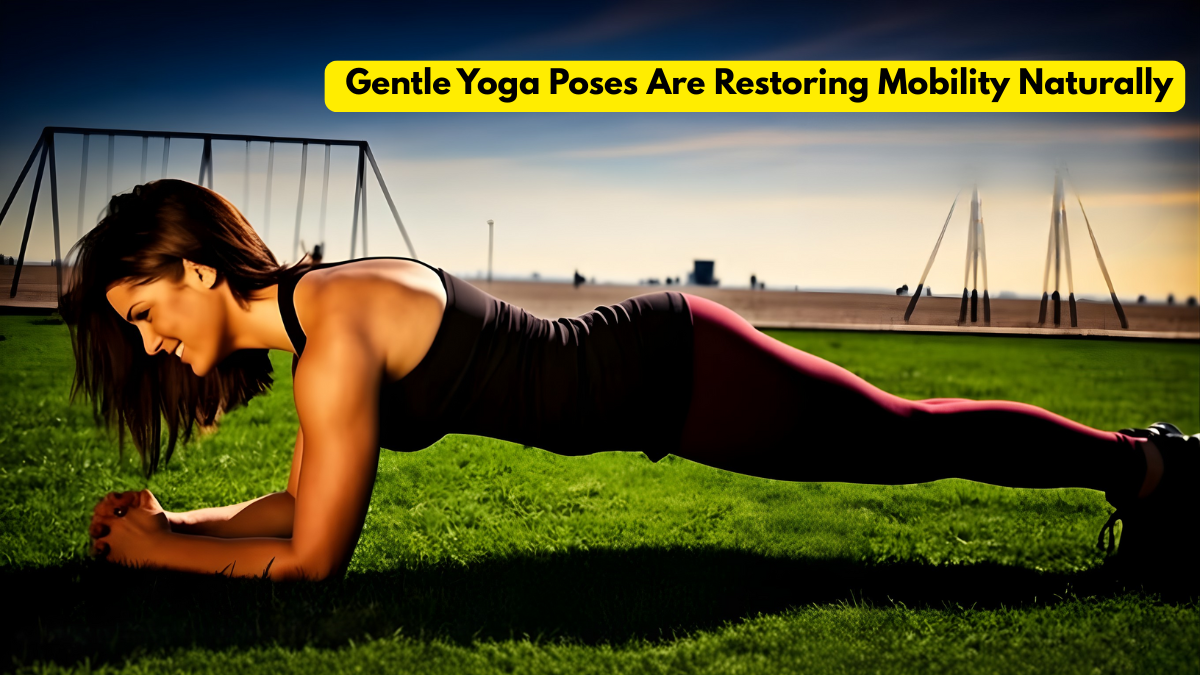
Forearm mobility plays a crucial role in how comfortably and efficiently we use our hands every day. From typing on a laptop and scrolling on a phone to lifting groceries, cooking, or practicing yoga, the forearms and wrists are constantly active. Over time, repetitive movements, prolonged screen use, poor posture, and lack of stretching can lead to tightness, stiffness, and reduced range of motion in the forearms. When this stiffness becomes routine, it may contribute to wrist discomfort, elbow tension, and reduced grip strength.
Yoga offers a gentle, effective, and accessible way to improve forearm mobility without placing excessive strain on the joints. Through mindful stretching, controlled movements, and breath awareness, yoga helps release tight muscles, improve circulation, and restore natural movement patterns. In this article, we explore five gentle yoga poses that specifically target the forearms, wrists, and hands, making them ideal for beginners, office workers, and anyone experiencing stiffness in the lower arms.
Why Forearm Mobility Is Often Overlooked
Most people focus on stretching large muscle groups like the back, legs, or shoulders, while the forearms are frequently ignored. However, the forearms contain a complex network of muscles and tendons responsible for wrist movement, finger control, and grip strength. When these tissues become tight, even simple activities can feel uncomfortable.
Limited forearm mobility can develop gradually, especially in people who spend long hours typing, using tools, lifting weights, or performing repetitive hand motions. Improving mobility in this area not only reduces stiffness but also supports healthier wrist alignment, better hand function, and reduced strain on the elbows and shoulders.

How Yoga Helps Improve Forearm Mobility
Yoga improves forearm mobility by combining stretching, gentle strengthening, and mindful breathing. Unlike aggressive stretches, yoga encourages slow, controlled movements that allow muscles and connective tissues to relax gradually. Breath awareness plays a key role, as relaxed breathing signals the nervous system to release tension rather than resist movement.
Regular practice increases blood flow to the forearms, improves joint lubrication, and enhances awareness of how the wrists and hands move during daily activities. Over time, this leads to better flexibility, comfort, and resilience.
1. Gentle Wrist Flexor Stretch
The wrist flexor stretch targets the muscles along the inner side of the forearm, which often become tight due to frequent gripping and typing. This stretch helps lengthen those muscles and reduce built-up tension.
Extend one arm forward with the palm facing upward. Using the opposite hand, gently draw the fingers back toward the body until a mild stretch is felt along the forearm. Keep the elbow soft and the shoulder relaxed. Hold the stretch while breathing slowly, then switch sides. This pose is especially helpful for relieving stiffness after long periods of computer or phone use.

2. Gentle Wrist Extensor Stretch
Balancing the wrist flexor stretch, the wrist extensor stretch focuses on the muscles on the outer side of the forearm. These muscles are often overworked during lifting or weight-bearing activities.
Extend one arm forward with the palm facing downward. With the opposite hand, gently press the back of the hand toward the body. The stretch should feel comfortable, not forced. Maintain steady breathing and switch sides after holding briefly. Practicing this stretch regularly helps maintain balanced mobility across the forearm.
3. Forearm and Wrist Rotation Flow
Rotational movements are essential for joint health, yet they are often neglected. Forearm and wrist rotations gently mobilize the joints while warming the surrounding muscles.
Sit or stand comfortably with arms relaxed. Slowly rotate the wrists in circular motions, moving through the full range without rushing. After several rotations in one direction, reverse the movement. Focus on smooth motion and synchronized breathing. This flow improves circulation, enhances joint lubrication, and prepares the forearms for deeper stretches or weight-bearing poses.

4. Downward-Facing Dog for Forearm Engagement
Downward-Facing Dog is commonly known for stretching the legs and spine, but it also plays an important role in improving forearm and wrist mobility. This pose introduces gentle weight-bearing, which strengthens the forearms while encouraging flexibility.
Begin on hands and knees, spreading the fingers wide and pressing evenly through the palms. Lift the hips upward, forming an inverted V shape with the body. Keep the arms active without locking the elbows. The gentle pressure through the hands and forearms helps build strength while improving range of motion. Focus on steady breathing and gradually increase comfort in the wrists over time.
5. Eagle Arms for Deep Forearm Stretching
Eagle Arms provides a deep stretch for the forearms, wrists, and upper arms while also improving shoulder mobility. This pose can be done seated or standing, making it accessible for most people.
Extend the arms forward, then cross one arm under the other at the elbows. Bend the elbows and wrap the forearms together, bringing the palms toward each other if possible. Lift the elbows gently while keeping the shoulders relaxed. This position stretches the muscles along the forearms and improves circulation. After holding and breathing deeply, unwind and repeat on the opposite side.

How Often to Practice for Best Results
Forearm mobility improves best with consistency rather than intensity. Practicing these five poses for five to ten minutes daily can lead to noticeable improvements over time. Gentle repetition helps retrain the muscles and nervous system, allowing the forearms to move more freely without resistance.
These poses can be practiced on their own or incorporated into a longer yoga or stretching routine. They are especially effective when done during breaks from repetitive activities.
Safety Tips for Forearm Mobility Practice
Always move slowly and avoid pushing into pain. A gentle stretch sensation is ideal, but sharp discomfort should be avoided. Keep the shoulders relaxed during wrist stretches to prevent unnecessary tension. Using breath as a guide helps ensure movements remain controlled and effective.
If you have existing wrist injuries, chronic pain, or medical conditions affecting the arms, consult a qualified professional before beginning a new mobility routine.

Conclusion
Forearm mobility is essential for comfort, strength, and ease of movement in everyday life. Tight forearms can quietly affect posture, hand function, and overall upper-body comfort. By practicing five gentle yoga poses regularly, you can release tension, improve flexibility, and support healthier wrists and hands.
These simple movements require no equipment and can be done almost anywhere, making them ideal for busy schedules. With patience and consistency, yoga can help restore natural forearm mobility and reduce stiffness caused by modern daily habits.
Disclaimer: This content is for informational purposes only and does not replace professional medical or therapeutic advice. Always consult a qualified healthcare provider before starting a new exercise routine.