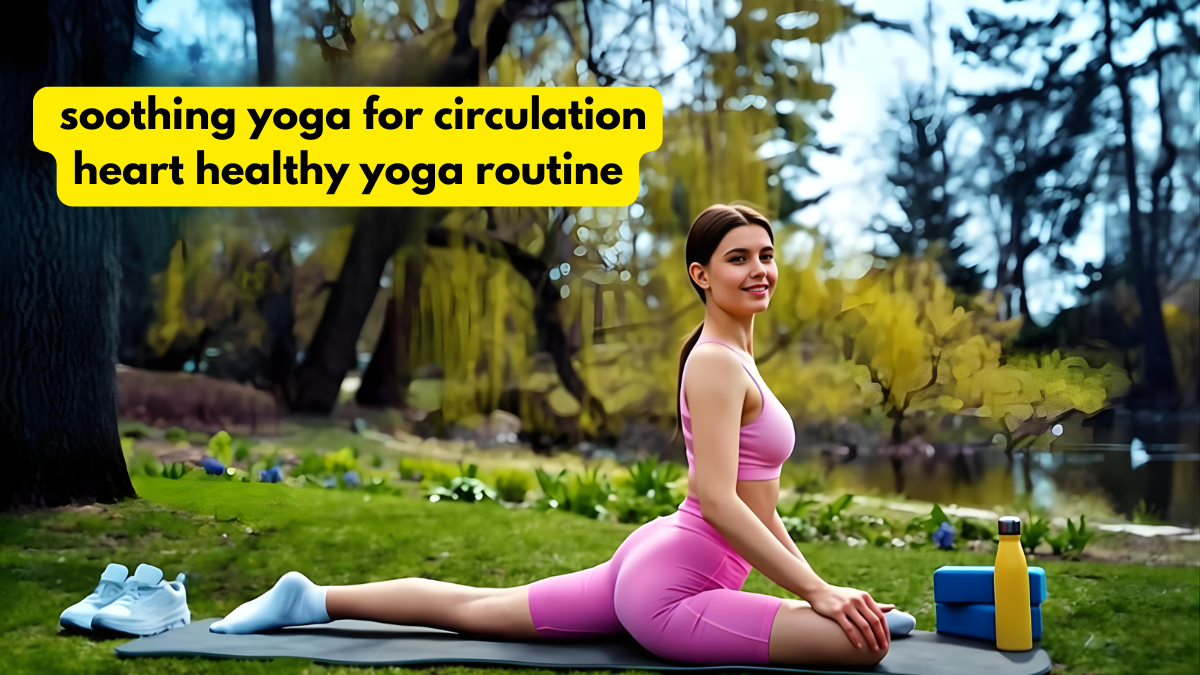
Cardiovascular health is the foundation of overall well-being. The heart works continuously to pump oxygen-rich blood throughout the body, supporting every organ and system. While brisk walking, jogging, and cycling are commonly recommended for heart fitness, yoga offers a gentle yet powerful complementary approach that nurtures the heart without placing excessive strain on the body.
Yoga supports cardiovascular health not by pushing the heart aggressively, but by improving circulation, enhancing breathing efficiency, reducing stress, and calming the nervous system. Chronic stress, poor posture, shallow breathing, and prolonged inactivity are all factors that negatively affect heart health. Soothing yoga poses address these issues holistically, making them suitable for people of all ages, especially those seeking a low-impact, sustainable routine.
Below are four soothing yoga poses that can be practiced regularly to support optimal cardiovascular health, encourage relaxation, and promote efficient heart function.
Why Yoga Is Beneficial for Cardiovascular Health
The heart is deeply influenced by the nervous system and breathing patterns. Stress and anxiety activate the body’s fight-or-flight response, increasing heart rate and blood pressure. Yoga activates the opposite response, encouraging relaxation and balance.
Through slow movement and mindful breathing, yoga helps regulate heart rate, improves oxygen delivery, and reduces tension in the chest and shoulders. Over time, this creates a healthier environment for the heart to function efficiently.
Unlike high-intensity workouts, soothing yoga poses are accessible, adaptable, and easy to sustain, making them ideal for long-term heart care.

Mountain Pose Encourages Posture and Efficient Breathing
Mountain Pose may appear simple, but it is one of the most important poses for cardiovascular support. Poor posture restricts lung expansion and limits oxygen intake, forcing the heart to work harder. Mountain Pose corrects this by aligning the spine and opening the chest naturally.
Standing tall with relaxed shoulders allows the lungs to expand fully during inhalation. Deeper breathing improves oxygen circulation, which supports heart efficiency and reduces fatigue.
Practicing Mountain Pose regularly increases body awareness and reinforces healthy posture habits that benefit the heart throughout the day, not just on the yoga mat.
Downward-Facing Dog Improves Circulation and Blood Flow
Downward-Facing Dog gently places the heart above the head, creating a mild inversion that supports healthy blood circulation. This position encourages venous return, helping blood flow back toward the heart more efficiently.
The pose also stretches the spine and hamstrings while strengthening the arms and shoulders, promoting overall circulation without raising heart rate excessively. Controlled breathing in this posture helps calm the nervous system, reducing stress-related strain on the heart.
For cardiovascular health, this balance between gentle effort and relaxation is extremely beneficial.

Cobra Pose Opens the Chest and Supports Lung Capacity
Cobra Pose is a gentle backbend that counteracts the effects of prolonged sitting and slouched posture. When the chest is compressed, breathing becomes shallow, which limits oxygen intake and increases stress on the heart.
By lifting the chest and opening the front of the body, Cobra Pose improves lung expansion and encourages deeper breathing. Enhanced oxygen intake allows the heart to pump more efficiently, reducing unnecessary strain.
This pose also promotes spinal flexibility and relaxation, which indirectly supports cardiovascular health by reducing physical and emotional tension.
Legs-Up-the-Wall Pose Promotes Relaxation and Venous Return
Legs-Up-the-Wall is one of the most soothing and heart-friendly yoga poses. By elevating the legs, gravity assists blood flow from the lower body back toward the heart. This reduces pressure on the heart and helps alleviate swelling in the legs and feet.
This pose deeply relaxes the nervous system, lowering stress hormones that contribute to high blood pressure and irregular heart rhythms. It is especially beneficial at the end of the day or after long periods of standing or sitting.
Regular practice helps calm the mind, stabilize heart rate, and improve overall circulation.

How These Poses Work Together to Support Heart Health
Each of these poses supports cardiovascular health in a unique way. Mountain Pose improves posture and breathing efficiency. Downward-Facing Dog enhances circulation. Cobra Pose opens the chest and increases lung capacity. Legs-Up-the-Wall promotes relaxation and venous return.
Together, they create a balanced routine that supports the heart physically and emotionally. Rather than overstimulating the cardiovascular system, these poses teach the body how to function efficiently under calm conditions.
This approach is particularly valuable for individuals managing stress, mild blood pressure concerns, or age-related cardiovascular changes.
The Role of Breathing in Cardiovascular Yoga
Breathing is the bridge between movement and heart health. Slow, controlled breathing increases oxygen delivery while calming the nervous system. This reduces heart rate variability and supports stable blood pressure.
When practicing these poses, breathing should remain smooth and unforced. Each inhale should feel expansive, and each exhale should feel calming. This breathing pattern sends signals of safety and relaxation to the heart.
Over time, this mindful breathing carries into daily life, helping manage stress and emotional triggers that affect cardiovascular health.

How Often to Practice for Best Results
For cardiovascular benefits, these poses can be practiced four to six times per week, even if only for 10 to 20 minutes per session. Consistency is more important than duration.
Morning practice helps energize circulation, while evening practice supports relaxation and recovery. Listening to the body and moving gently ensures sustainability and long-term benefits.
Who Can Benefit Most From These Poses
These soothing yoga poses are suitable for beginners, older adults, and individuals seeking a gentle heart-supportive routine. They are especially beneficial for people who prefer low-impact movement or need stress management alongside physical activity.
However, anyone with existing cardiovascular conditions should practice under guidance and consult a healthcare professional before beginning a new routine.
Conclusion
Supporting cardiovascular health does not always require intense exercise. These four soothing yoga poses—Mountain Pose, Downward-Facing Dog, Cobra Pose, and Legs-Up-the-Wall—offer a gentle yet effective way to care for the heart. By improving posture, enhancing circulation, deepening breathing, and calming the nervous system, yoga creates an ideal environment for heart health. Practiced regularly and mindfully, these poses can help maintain a strong, balanced, and resilient cardiovascular system at any age.
Disclaimer: This article is intended for general wellness information only. Individuals with heart conditions, injuries, or medical concerns should consult a qualified healthcare professional before starting any new exercise routine.