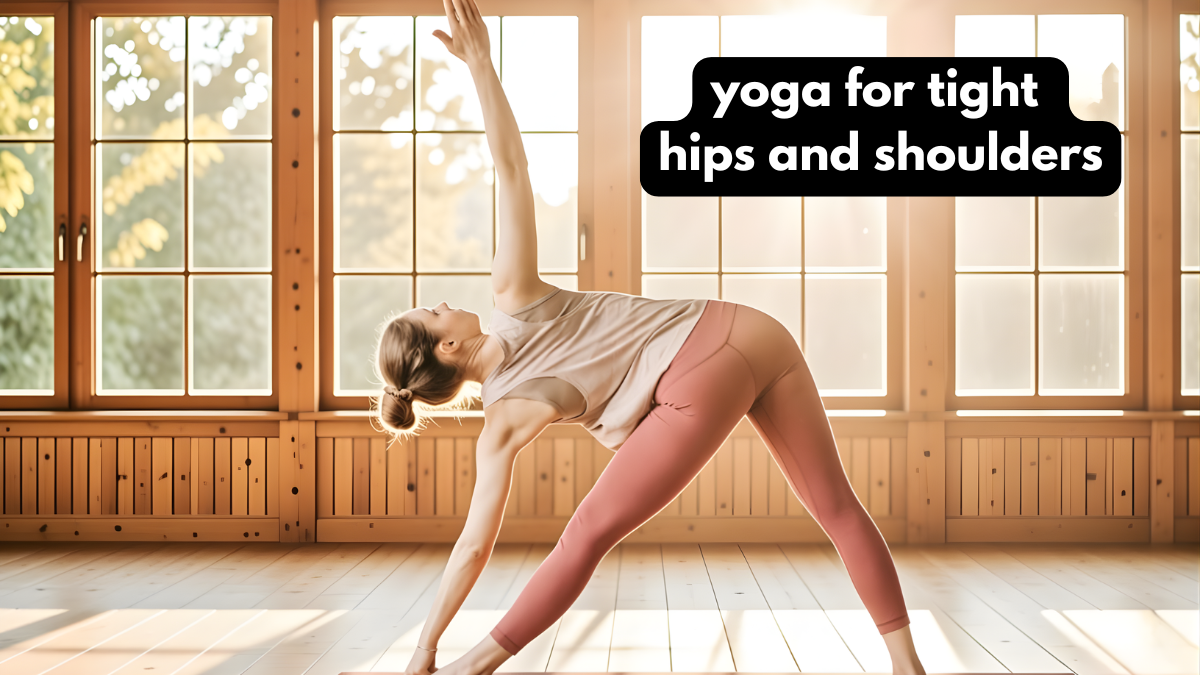
Tight hips and stiff shoulders are no longer problems limited to athletes or older adults. In today’s lifestyle, long hours of sitting, constant screen use, stress, and lack of natural movement have made reduced flexibility extremely common. When the hips and shoulders lose mobility, the entire body feels restricted. Simple actions like bending, reaching, walking, or even breathing deeply can start to feel uncomfortable.
Yoga offers a gentle and effective solution. Instead of forcing flexibility, yoga encourages the body to relax, lengthen, and regain natural movement gradually. By focusing on both the hips and shoulders together, you can restore balance, improve posture, and move with greater ease. Below are seven yoga poses that specifically target these two critical areas, helping release tightness and expand range of motion safely and naturally.
Why Hips and Shoulders Get Tight So Easily
The hips and shoulders are highly mobile joints designed for movement in multiple directions. However, they are also areas where stress, emotional tension, and repetitive habits accumulate. Sitting for long periods shortens the hip flexors, while hunching over devices tightens the shoulders and chest.
Over time, this creates muscular imbalances. Tight hips can pull on the lower back, while stiff shoulders can strain the neck and upper spine. Yoga addresses these patterns by combining slow stretching, controlled breathing, and mindful awareness, allowing the body to release tension instead of resisting it.
How Yoga Improves Flexibility and Range
Yoga increases flexibility not just by stretching muscles, but by calming the nervous system. When the body feels safe, muscles are more willing to relax and lengthen. Holding poses with steady breathing improves circulation, lubricates joints, and enhances communication between muscles and the brain.
Consistent practice improves posture, reduces stiffness, and helps the hips and shoulders move freely again. Even a short daily routine can make a noticeable difference.
Puppy Pose to Open the Shoulders and Upper Spine
Puppy Pose is one of the best yoga poses for releasing tight shoulders. With the hips lifted and the chest melting toward the mat, this pose deeply stretches the shoulders, chest, and upper back without stressing the lower body.
It is especially beneficial for people with rounded shoulders caused by desk work or phone use. Over time, Puppy Pose helps restore shoulder flexibility and improves spinal extension, making the upper body feel lighter and more open.
Low Lunge with Arm Reach for Hip and Shoulder Release
Low Lunge with Arm Reach targets tight hip flexors while simultaneously opening the shoulders and chest. When one knee is lowered and the arms lift overhead, the front of the hips lengthen and the upper body expands.
This pose improves posture and coordination between the upper and lower body. It is particularly helpful for people who sit for long hours and feel stiffness when standing or walking after prolonged inactivity.

Eagle Arms to Relieve Shoulder and Upper Back Tension
Eagle Arms provide a deep stretch for the shoulders and upper back, areas where stress often accumulates. Wrapping the arms around each other stretches the muscles between the shoulder blades and improves mobility in the upper spine.
This pose is excellent for releasing tension caused by stress, anxiety, or repetitive arm movements. It also improves shoulder range of motion and encourages better posture by counteracting forward rounding of the upper body.
Half Frog Pose for Gentle Hip Flexibility
Half Frog Pose focuses on opening the hips and front of the thighs without the intensity of deeper hip openers. Practised slowly, it helps lengthen tight hip flexors and improve joint mobility.
This pose is ideal for beginners or anyone who experiences knee or lower back sensitivity. With mindful breathing, Half Frog Pose gradually restores hip range without strain.
Reverse Tabletop to Open the Front Body
Reverse Tabletop Pose opens the shoulders, chest, and hips at the same time. Lifting the hips while pressing into the hands strengthens the shoulders and stretches the front of the body.
This pose improves shoulder stability, hip extension, and spinal strength. It is especially useful for reversing the effects of slouching and improving overall posture.
Seated Figure Four Pose for Deep Hip Release
Seated Figure Four Pose gently stretches the outer hips and glute muscles. Sitting upright while crossing one ankle over the opposite knee allows the hips to open without pressure on the knees or spine.
This pose helps release deep hip tension and improves pelvic alignment. It is particularly beneficial for people who feel stiffness in the hips after long periods of sitting.
Happy Baby Pose to Relax Hips and Lower Back
Happy Baby Pose is a restorative posture that gently opens the hips while calming the nervous system. Holding the feet and rocking softly massages the lower back and allows the hips to relax fully.
This pose improves hip mobility while reducing stress and tension stored in the pelvis. It is an excellent way to end a flexibility-focused yoga session.
How Long and How Often to Practice
For best results, hold each pose for 30 to 60 seconds while breathing deeply and slowly. Practising this sequence for 15 to 25 minutes a day is enough to notice improvements in flexibility and comfort.
Consistency matters more than intensity. Gentle daily practice leads to better long-term results than forcing deep stretches occasionally.
Additional Benefits You May Notice
With regular practice, these yoga poses can improve posture, reduce neck and lower back discomfort, enhance breathing capacity, and increase overall body awareness. Many people also report feeling calmer and more relaxed, as releasing physical tension often reduces mental stress as well.
Who Can Benefit from This Routine
This yoga sequence is suitable for beginners, office workers, older adults, and anyone experiencing stiffness in the hips or shoulders. Poses can be modified easily, making them accessible to most fitness levels.
Those recovering from injury or dealing with chronic pain should practise gently and consult a qualified instructor if needed.
Conclusion
Tight hips and shoulders can limit movement, affect posture, and reduce daily comfort, but they do not have to become permanent problems. These seven yoga poses offer a safe and effective way to release tightness, improve flexibility, and restore natural range of motion.
With patience and regular practice, the body gradually opens, movements become smoother, and everyday activities feel easier. Yoga reminds us that flexibility is not about forcing change, but about allowing the body to move freely again.
Disclaimer: This content is for informational purposes only. Yoga should be practised within personal comfort limits, and individuals with medical conditions should seek professional guidance before beginning any new exercise routine.