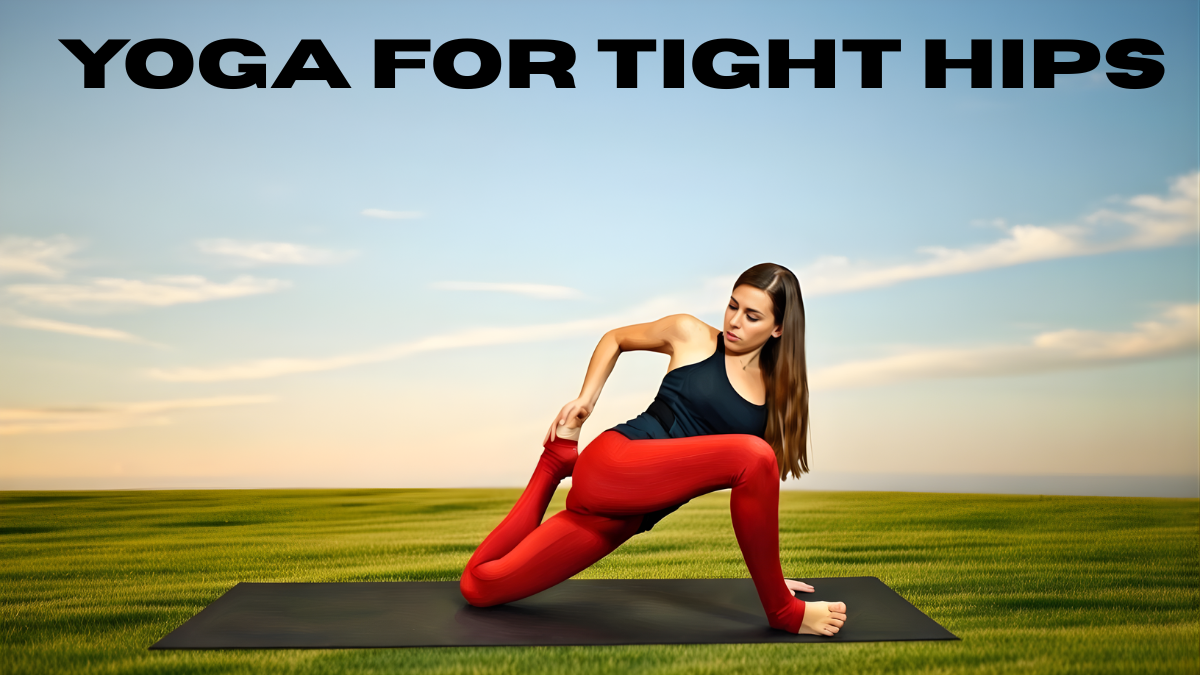
Modern life has quietly trained our bodies to sit for long hours. Whether it is office work, commuting, studying, or scrolling on a screen, prolonged sitting has become the norm. Over time, this habit places constant stress on the hips, causing tight hip flexors, reduced mobility, stiffness, and discomfort when standing or walking. Many people also notice that hip stiffness gradually leads to lower back pain, poor posture, and a feeling of heaviness in the legs.
Yoga offers a gentle and effective solution for hip stiffness caused by excessive sitting. Instead of forcing the body to stretch, yoga works by lengthening shortened muscles, improving circulation, and calming the nervous system, allowing the hips to slowly return to their natural range of motion. With consistent practice, these poses can help you feel lighter, more mobile, and comfortable in everyday movement.
Why Sitting Too Much Makes the Hips Stiff
When you sit for long periods, the hip flexor muscles remain in a shortened position. Over time, they adapt to this posture and lose flexibility. At the same time, the glute muscles become underused and weak, creating an imbalance around the hip joint.
This imbalance restricts movement and places additional strain on the lower back and pelvis. Poor circulation from sitting also contributes to stiffness and a dull, achy feeling in the hips. Yoga counteracts these effects by encouraging movement, stretching tight muscles, and reactivating areas that have become inactive.
How Yoga Helps Relieve Hip Stiffness
Yoga improves hip mobility by combining slow stretching with deep breathing. The breath signals the nervous system to relax, allowing muscles to release tension safely. Gentle holds increase blood flow, nourish connective tissues, and gradually restore flexibility.
Unlike aggressive workouts, yoga emphasizes awareness and patience. This makes it especially effective for stiffness caused by sedentary habits rather than injury or overuse.
Butterfly Pose to Open the Inner Hips
Butterfly Pose is one of the most accessible hip openers and is ideal for people who sit for long hours. Sitting upright with the soles of the feet together allows the inner thighs and groin to stretch gently.
This pose improves circulation to the hip joints and reduces tightness that builds up from sitting. Practised regularly, Butterfly Pose helps the hips feel more open without strain.
Low Lunge to Stretch Tight Hip Flexors
Low Lunge directly targets the hip flexors, which are often the main source of stiffness from prolonged sitting. Lowering the back knee allows the pelvis to sink gently, creating a deep stretch in the front of the hips.
This pose also improves posture by counteracting the forward-leaning position many people develop from sitting at desks. With steady breathing, Low Lunge helps restore balance between strength and flexibility in the hips.

Pigeon Pose for Deep Hip Release
Pigeon Pose is one of the most effective yoga poses for releasing deep tension in the hips and glutes. These muscles often become tight and inactive when sitting for extended periods.
By holding the pose comfortably and breathing deeply, the hips slowly relax. Pigeon Pose also helps reduce pressure on the lower back and improves overall hip range of motion when practised mindfully.
Garland Pose to Restore Natural Hip Movement
Garland Pose, or a deep squat, encourages the hips to move in a way they were naturally designed to. Squatting gently opens the hip joints, stretches surrounding muscles, and strengthens the lower body.
For people who sit most of the day, this pose helps retrain the hips to move freely again. Using support under the heels or sitting on a block can make the pose more accessible.
Happy Baby Pose to Relax Hips and Lower Back
Happy Baby Pose is a restorative posture that gently opens the hips while calming the nervous system. Lying on the back removes pressure from the spine, allowing the hips to relax fully.
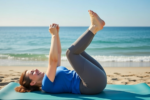
Rocking softly side to side massages the lower back and releases tension stored in the pelvis. This pose is especially helpful at the end of the day after long periods of sitting.
Seated Forward Fold to Lengthen the Back Body
Seated Forward Fold stretches the hips, hamstrings, and lower back, areas that tighten when sitting for too long. Folding forward from the hips encourages proper movement patterns and reduces stiffness along the spine.
This pose also has a calming effect on the mind, which supports better muscle relaxation and recovery.
Cat-Cow to Mobilize the Hips and Spine
Cat-Cow may look simple, but it plays a powerful role in relieving stiffness from inactivity. The gentle rocking motion mobilizes the pelvis and hips while improving spinal flexibility.
This movement increases circulation, warms up the joints, and prepares the body for deeper hip stretches. It is an excellent starting pose for anyone feeling stiff from sitting.
How Long and How Often to Practice
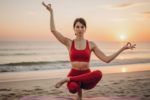
Practising these poses for 15 to 25 minutes daily is enough to notice improvement in hip mobility. Holding each pose for 30 to 60 seconds while breathing slowly allows muscles to release safely.
Consistency is key. Gentle daily practice delivers better results than pushing the body occasionally. Even short breaks during the workday to stretch can reduce stiffness significantly.
Additional Benefits Beyond Hip Flexibility
As hip stiffness decreases, many people notice reduced lower back discomfort, improved posture, smoother walking, and better balance. Releasing physical tension also helps reduce mental stress, making yoga beneficial for both body and mind.
Improved hip mobility supports overall movement quality and reduces the risk of future discomfort or injury.
Who Should Practice This Yoga Routine
This routine is suitable for office workers, students, older adults, and anyone who spends long hours sitting. The poses can be modified easily to suit different flexibility levels.
Those with existing injuries or medical conditions should move gently and consult a professional if needed.
Conclusion
Hip stiffness caused by sitting too much is common, but it does not have to become a permanent problem. Yoga offers a safe, gentle, and effective way to release tight hips, restore natural movement, and improve everyday comfort.
By practising these poses consistently and mindfully, you can counteract the effects of prolonged sitting and help your body move with ease again. Small daily efforts can lead to lasting flexibility and better overall mobility.
Disclaimer: This content is for informational purposes only. Yoga should be practised within personal comfort limits, and individuals with medical conditions should seek professional guidance before starting any new exercise routine.