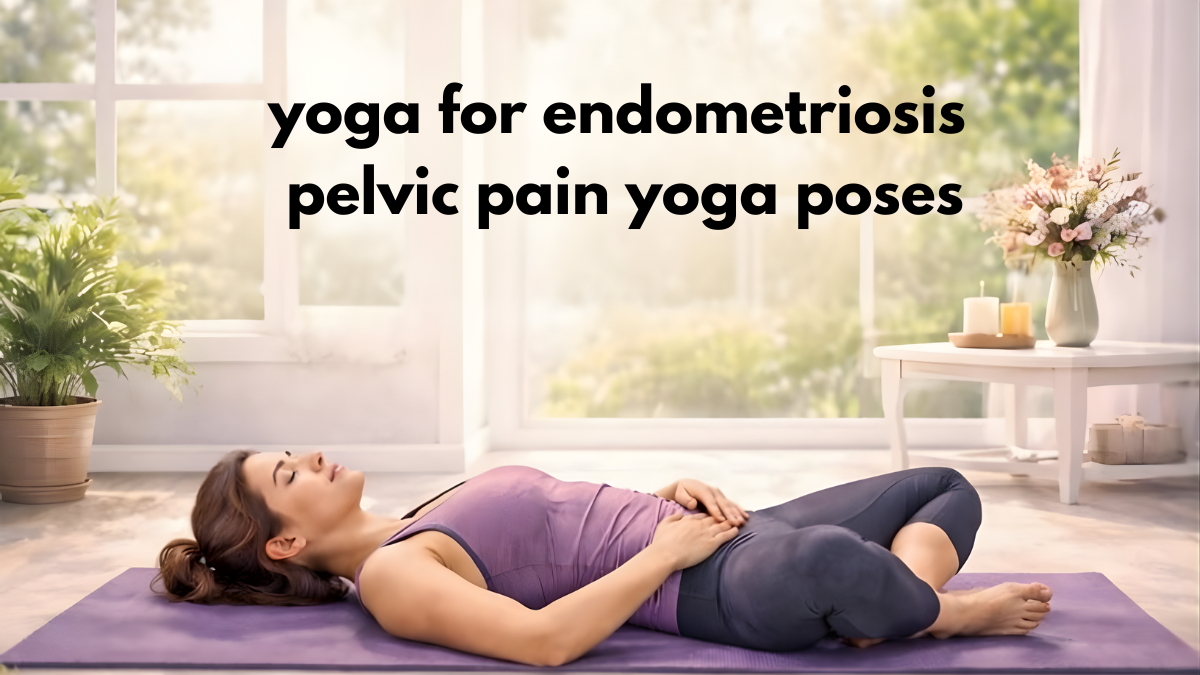
Endometriosis is a chronic condition that affects millions of women worldwide and is often associated with persistent pelvic pain, cramping, lower back discomfort, and fatigue. The pain is not only physical but can also impact emotional well-being and daily life. While medical treatment and professional care are essential, many women turn to gentle yoga as a supportive, natural way to manage pelvic pain and tension associated with endometriosis.
Yoga does not cure endometriosis, but it can play a powerful complementary role. Through slow movements, mindful stretching, and deep breathing, yoga helps relax tight pelvic muscles, improve blood circulation, reduce stress-related pain sensitivity, and calm the nervous system. Below are eight carefully chosen yoga poses that are known to be especially soothing for pelvic pain when practised gently and consistently.
Why Yoga Helps With Pelvic Pain and Endometriosis
Chronic pelvic pain often leads to muscle guarding, where the body unconsciously tightens muscles to protect against pain. Over time, this tension worsens discomfort. Yoga works by encouraging muscle relaxation, gentle mobility, and breath awareness, helping the body shift out of a constant pain-response state.
Slow breathing during yoga activates the parasympathetic nervous system, which signals the body to relax. This response can reduce pain intensity, improve circulation in the pelvic region, and support emotional balance during flare-ups.
Child’s Pose for Deep Pelvic and Lower Back Release
Child’s Pose is one of the most comforting poses for pelvic pain. By folding forward and allowing the abdomen to soften, this pose gently stretches the lower back, hips, and pelvic muscles without pressure.
This posture encourages deep breathing into the lower belly, which helps relax tight pelvic tissues and calm pain signals. It is especially helpful during moments of cramping or emotional overwhelm.
Happy Baby Pose to Ease Pelvic Floor Tension
Happy Baby Pose opens the hips while allowing the pelvis to rest against the floor, creating a sense of grounding and safety. Many people with endometriosis unknowingly hold tension in the pelvic floor, which can worsen pain.
This pose gently stretches those muscles and encourages release without force. Moving slowly and breathing deeply makes it more therapeutic and less stimulating.
Reclined Bound Angle Pose for Pelvic Relaxation
Reclined Bound Angle Pose is a restorative posture that supports deep relaxation of the pelvic area. Lying on the back with the soles of the feet together allows the hips and inner thighs to open naturally.
With support under the knees, this pose becomes deeply calming and is ideal during pain flare-ups. It encourages circulation in the lower abdomen and helps reduce feelings of pelvic tightness.

Legs-Up-the-Wall Pose to Reduce Pelvic Heaviness
Legs-Up-the-Wall is a gentle inversion that helps reduce pelvic pressure and heaviness. By elevating the legs, blood flow improves and tension in the lower body decreases.
This pose is particularly beneficial at the end of the day when pelvic discomfort and fatigue are more noticeable. It also promotes overall relaxation and can improve sleep quality.
Supine Spinal Twist to Release Pelvic and Abdominal Tension
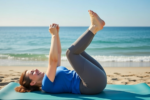
Supine Spinal Twist gently massages the abdominal area while stretching the lower back and hips. Twisting motions help release tension that radiates from the pelvis into surrounding muscles.
This pose should be done slowly and without forcing the twist. The goal is gentle movement and relaxation, not depth or intensity.
Garland Pose for Pelvic Opening and Mobility
Garland Pose encourages deep hip and pelvic opening, which can help relieve tightness caused by prolonged sitting or chronic pain patterns. When practised with support under the heels or hips, it becomes more accessible and comfortable.
This pose helps increase pelvic flexibility and awareness, which may reduce discomfort over time when practised mindfully.
Cobra Pose to Improve Circulation and Core Support
Cobra Pose is a gentle backbend that opens the front of the body and improves circulation in the pelvic and abdominal region. Strengthening the lower back and core can provide better support for the pelvis.
It is important to lift only as high as feels comfortable and avoid compressing the lower back. Gentle engagement is enough to gain benefits.
Reclined Hero Pose for Hip and Pelvic Stretching
Reclined Hero Pose provides a deep stretch to the hips, thighs, and lower abdomen. When supported with cushions or blocks, it becomes a restorative pose that helps release pelvic tightness.
This pose should be approached cautiously and modified as needed, especially for beginners or during active pain phases.

How Often to Practise for Best Results
Consistency matters more than duration. Practising these poses for 15 to 30 minutes, three to five times a week, can provide noticeable relief over time. On days with more pain, focusing on restorative poses and breathing is often more beneficial than active stretching.
Listening to the body is essential. Yoga for endometriosis should always feel supportive, never painful.
Additional Benefits Beyond Pain Relief
In addition to easing pelvic pain, yoga may help reduce stress, improve sleep, support digestion, and enhance emotional resilience. Many women report feeling more connected to their bodies and better able to manage symptoms with regular practice.
Who Should Be Cautious
Women with severe pain, recent surgery, or medical complications should practise under professional guidance. Yoga should complement, not replace, medical care for endometriosis.
Conclusion
Living with endometriosis can be physically and emotionally challenging, but gentle yoga offers a natural way to support pain management and overall well-being. These eight yoga poses focus on pelvic relaxation, gentle stretching, improved circulation, and nervous system calming, making them especially helpful for easing pelvic discomfort.
With mindful practice, patience, and self-compassion, yoga can become a valuable tool for managing pelvic pain and reconnecting with the body in a safe and nurturing way.
Disclaimer: This article is for informational purposes only and is not a substitute for medical advice. Individuals with endometriosis or chronic pelvic pain should consult a healthcare professional before starting any new exercise routine.