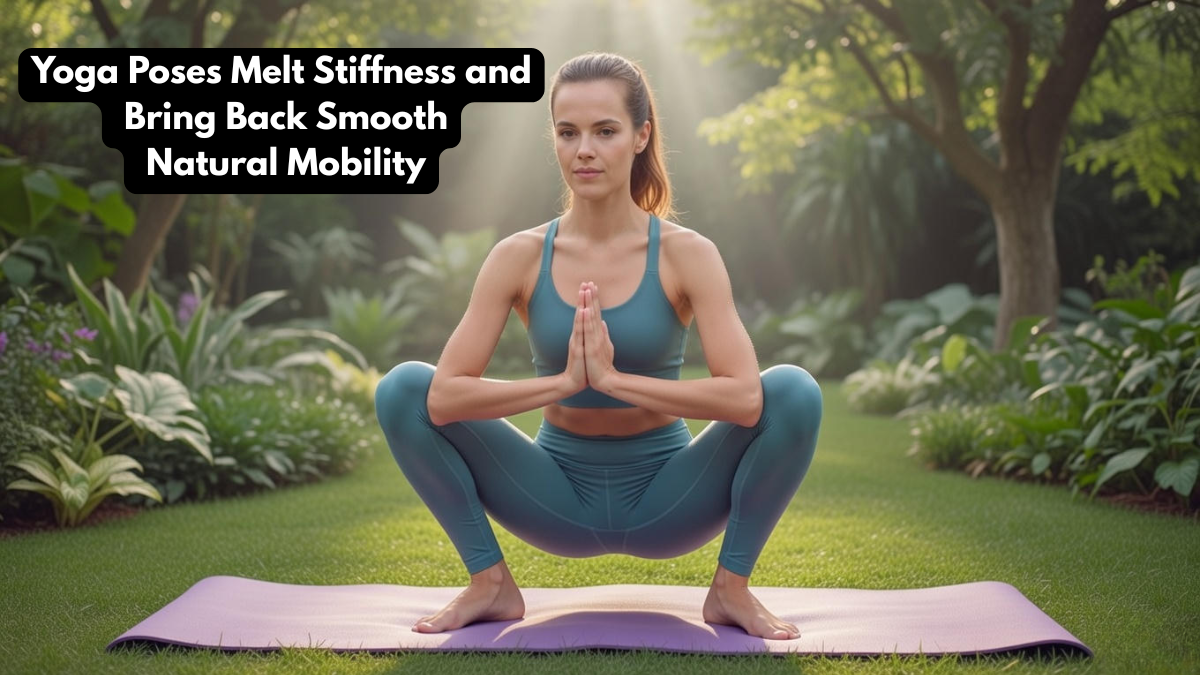
Hip stiffness has quietly become one of the most common physical complaints of modern life. Long hours of sitting, minimal movement, stress, and even intense workouts can cause the hips to tighten and lose their natural range of motion. When the hips become stiff, the effects are not limited to discomfort in that area alone. Tight hips can lead to lower back pain, poor posture, reduced balance, and difficulty with everyday movements like walking, bending, or climbing stairs.
Yoga offers a gentle yet powerful way to release tension stored in the hips while improving strength, flexibility, and joint health. Through mindful movement and controlled breathing, yoga helps restore natural mobility without forcing the body into painful positions. Practicing hip-opening poses consistently can bring long-lasting relief and help your body move more freely again.
Below are ten highly effective yoga poses that target hip stiffness and support healthy, natural movement.
Low Lunge (Anjaneyasana)
Low Lunge is one of the most effective poses for releasing tight hip flexors, especially for people who sit for long hours. This pose stretches the front of the hip while encouraging spinal length and stability. By gently sinking the hips forward while keeping the chest lifted, Low Lunge helps counteract the shortening of muscles caused by prolonged sitting. With regular practice, this pose improves hip extension and reduces tension that often contributes to lower back discomfort.
Lizard Pose (Utthan Pristhasana)
Lizard Pose provides a deeper hip-opening stretch that targets the hip flexors, groin, and inner thighs. It encourages the hips to relax toward the floor while maintaining strength in the legs and core. This pose is particularly helpful for releasing stubborn hip tightness and improving overall flexibility. Practicing Lizard Pose slowly and with controlled breathing allows the body to open safely and effectively over time.
Pigeon Pose (Eka Pada Rajakapotasana)
Pigeon Pose is known for its ability to release deep tension in the hips and glute muscles. Many people store emotional and physical stress in this area, making this pose especially transformative. By externally rotating the hip and lengthening the surrounding muscles, Pigeon Pose improves circulation and reduces stiffness. It also supports hip joint health and enhances mobility when practiced consistently and mindfully.

Butterfly Pose (Baddha Konasana)
Butterfly Pose gently opens the hips and inner thighs while promoting relaxation. Sitting tall with the soles of the feet together encourages natural hip rotation and flexibility. This pose is ideal for beginners because it allows the hips to open gradually without strain. Over time, Butterfly Pose helps improve blood flow to the hip region and reduces tightness caused by inactivity.
Happy Baby Pose (Ananda Balasana)
Happy Baby Pose offers a gentle yet effective way to stretch the hips, inner thighs, and lower back. Lying on the back allows gravity to assist the stretch without pressure on the joints. This pose helps release tension from the pelvis and encourages relaxation through deep breathing. Happy Baby is especially beneficial for restoring natural hip mobility while calming the nervous system.
Reclining Bound Angle Pose (Supta Baddha Konasana)
Reclining Bound Angle Pose provides a passive hip-opening experience that promotes deep relaxation. By lying on the back with the soles of the feet together, the hips are encouraged to open naturally. This pose is excellent for longer holds, allowing the connective tissues around the hips to soften gradually. It is particularly useful for reducing stiffness without engaging excessive muscular effort.
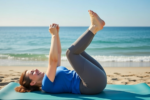
Supine Figure Four Stretch
The Supine Figure Four Stretch targets the outer hips and glutes, areas commonly associated with tightness and discomfort. By crossing one ankle over the opposite thigh and gently drawing the legs inward, this pose releases tension that can affect hip alignment and lower back health. It is an accessible stretch that can be practiced daily to maintain hip flexibility and comfort.
Bridge Pose (Setu Bandha Sarvangasana)
Bridge Pose strengthens the glutes and lower back while gently opening the hip flexors. This combination of strength and stretch is essential for long-term hip mobility. By lifting the hips upward, the pose creates space in the hip joints and counteracts stiffness caused by prolonged sitting. Bridge Pose also improves circulation and supports overall spinal health.
Child’s Pose (Balasana)
Child’s Pose provides a gentle stretch for the hips, thighs, and lower back while encouraging deep relaxation. Sitting the hips back toward the heels allows the hip joints to open naturally without pressure. This pose is ideal for releasing tension after a long day or as a restorative break during a yoga session. It supports mobility while calming the body and mind.
Warrior II (Virabhadrasana II)
Warrior II combines strength, stability, and hip opening in one powerful posture. The wide stance and bent front knee stretch the inner thighs and hips while strengthening the legs. This pose improves hip stability and coordination, which are essential for maintaining mobility as the body ages. Holding Warrior II builds endurance while supporting healthy hip function.
Why Consistent Hip-Focused Yoga Matters
Hip stiffness does not develop overnight, and it cannot be resolved with occasional stretching alone. Consistent yoga practice encourages gradual improvement in flexibility, joint lubrication, and muscle balance. As hip mobility improves, posture naturally aligns, movement becomes smoother, and strain on surrounding joints decreases. Over time, these benefits contribute to reduced pain, improved balance, and greater ease in daily activities.
Conclusion
Restoring hip mobility is essential for overall physical well-being, and yoga provides a safe, effective path to achieving it. These ten yoga poses work together to stretch tight muscles, strengthen supporting structures, and encourage healthy movement patterns. With regular practice, hip stiffness can be reduced, natural mobility can return, and everyday movement can feel lighter and more comfortable.
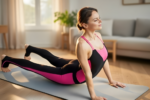
Listening to your body and moving with patience is key. Yoga is not about forcing flexibility but about creating space for the body to heal and move naturally.
Disclaimer: This article is for informational purposes only and does not replace professional medical advice. Individuals with injuries or medical conditions should consult a qualified healthcare provider before beginning any new exercise routine.