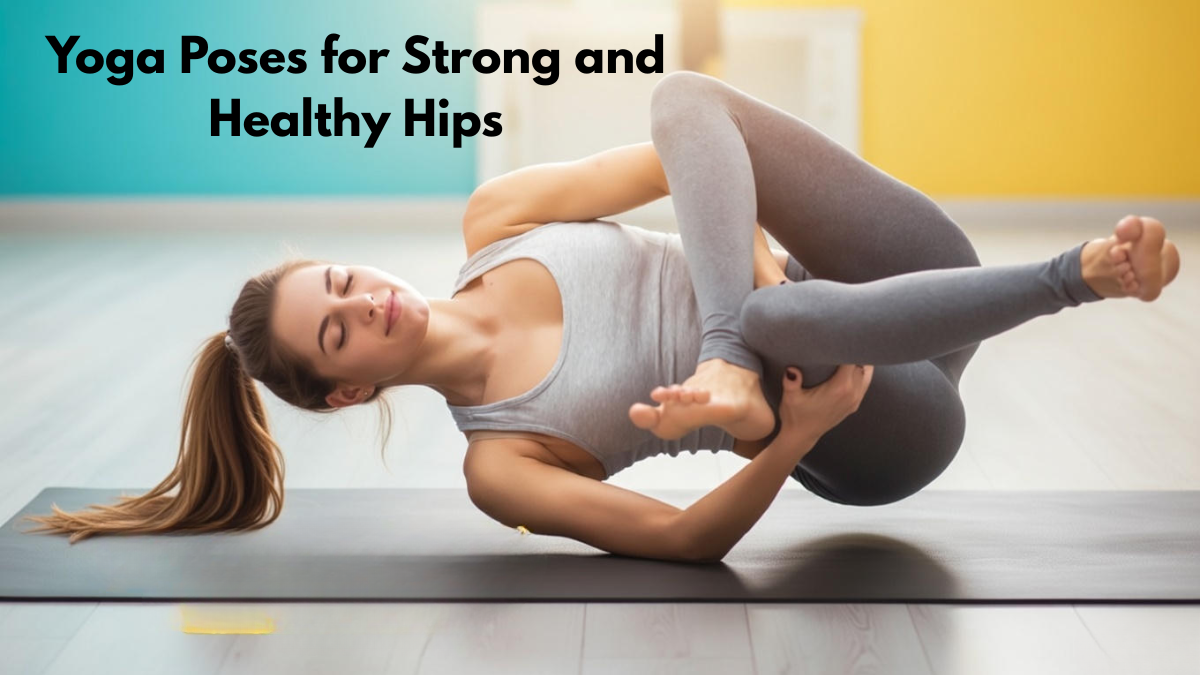
Healthy hips are essential for smooth movement, proper posture, and overall physical balance. Whether you are walking, sitting, bending, or exercising, your hips play a central role in nearly every motion your body makes. Unfortunately, modern lifestyles that involve long hours of sitting, limited movement, and stress often lead to hip tightness, reduced flexibility, and discomfort. Over time, stiff hips can contribute to lower back pain, poor posture, knee strain, and restricted mobility.
Yoga offers a gentle and effective way to keep the hips flexible, strong, and well-supported. Unlike intense workouts, yoga focuses on mindful movement, controlled breathing, and gradual stretching, making it ideal for maintaining hip health without putting excess pressure on the joints. Even a few simple poses practiced consistently can make a noticeable difference.
Below are three simple yet powerful yoga poses that help promote healthy hips, release stiffness, and support natural mobility. These poses are beginner-friendly and can be practiced at home without any special equipment.
Why Hip Health Should Not Be Ignored
The hips are one of the largest and most complex joints in the body. They connect the upper and lower body and support your weight during standing and movement. When the hips become tight or weak, other areas such as the lower back, knees, and ankles often compensate, increasing the risk of discomfort or injury.
Regular hip-focused stretching helps maintain joint lubrication, improves blood circulation, and keeps surrounding muscles balanced. Yoga encourages gentle opening of the hip flexors, glutes, and inner thighs, which are commonly affected by inactivity. By caring for your hips, you support better posture, smoother movement, and long-term joint health.
Low Lunge (Anjaneyasana): Gently Opens Tight Hip Flexors
Low Lunge is one of the most effective poses for counteracting the effects of prolonged sitting. Sitting for long hours causes the hip flexor muscles at the front of the hips to shorten and tighten. Low Lunge helps lengthen these muscles while also improving balance and spinal alignment.
In this pose, one leg steps forward while the opposite knee rests on the floor. As you gently shift your hips forward and lift the chest, the front of the hip opens naturally. This stretch improves hip extension, supports better posture, and reduces tension that often contributes to lower back stiffness.
Practicing Low Lunge regularly helps restore the natural range of motion in the hips. It also engages the core and legs, making it a balanced pose that strengthens while it stretches. Moving slowly and breathing deeply allows the hips to relax safely without strain.

Pigeon Pose (Eka Pada Rajakapotasana): Releases Deep Hip Tension
Pigeon Pose is widely recognized as one of the most powerful yoga poses for opening the hips. It targets deep muscles such as the glutes and outer hip rotators, which commonly hold tension from sitting, stress, or repetitive movement like running.
In this pose, one knee is brought forward while the opposite leg extends back, allowing the hips to externally rotate and soften. The stretch can feel intense at first, but when practiced mindfully, it promotes deep release and improved flexibility. Pigeon Pose also encourages emotional relaxation, as the hips are known to store stress and tension.
For beginners or those with tight hips, modifications such as using a cushion or folded blanket under the hips can make the pose more accessible. Over time, regular practice helps improve hip mobility, ease lower back discomfort, and enhance overall movement quality.
Frog Pose: Improves Inner Hip Mobility and Flexibility
Frog Pose focuses on opening the inner thighs and hip adductors, areas that are often neglected in daily movement. Tight inner hips can restrict mobility and contribute to discomfort during activities such as squatting, sitting cross-legged, or walking.
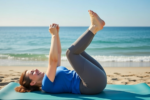
In Frog Pose, the knees are placed wide apart while the hips gently lower toward the floor. This creates a deep yet controlled opening through the inner hips and groin. The pose encourages circulation and flexibility around the pelvic region, supporting better hip function.
Because this pose can feel intense, it is important to move slowly and stay within a comfortable range. Using props or reducing the width of the knees can help ease the stretch. Practicing Frog Pose regularly can significantly improve hip mobility and reduce stiffness over time.
How These Three Poses Work Together
While each of these poses targets the hips differently, together they create a balanced approach to hip health. Low Lunge focuses on the front of the hips, Pigeon Pose releases tension in the outer hips and glutes, and Frog Pose opens the inner thighs. This combination ensures that all major hip muscles are stretched and supported.
Practicing these poses consistently helps improve flexibility, reduce muscle imbalances, and support joint stability. Even spending five to ten minutes a day on these stretches can lead to noticeable improvements in comfort and mobility.

Tips for Practicing Yoga Safely for Hip Health
To get the most benefit from these poses, it is important to practice with awareness and patience. Warming up with gentle movements before stretching helps prepare the hips and reduces the risk of strain. Breathing deeply during each pose allows muscles to relax more fully and enhances the effectiveness of the stretch.
Listening to your body is essential. Mild tension is normal, but sharp pain is a sign to ease off or modify the pose. Using props such as blocks, cushions, or blankets can make these poses more supportive and comfortable, especially for beginners.
Consistency matters more than intensity. Gentle daily practice is far more beneficial for hip health than occasional deep stretching.
Conclusion
Maintaining healthy hips is key to moving comfortably and confidently through daily life. These three simple yoga poses offer an accessible and effective way to release tightness, improve flexibility, and support natural hip mobility. Low Lunge, Pigeon Pose, and Frog Pose work together to stretch and strengthen the hips without excessive strain.
By incorporating these poses into your routine, you can help protect your joints, improve posture, and reduce discomfort caused by stiffness. With patience and regular practice, yoga can restore ease and freedom of movement to your hips and support long-term physical well-being.
Disclaimer: This content is intended for general informational purposes only and does not replace professional medical advice. If you have existing hip injuries or medical conditions, consult a qualified healthcare professional before starting any new exercise or yoga routine.