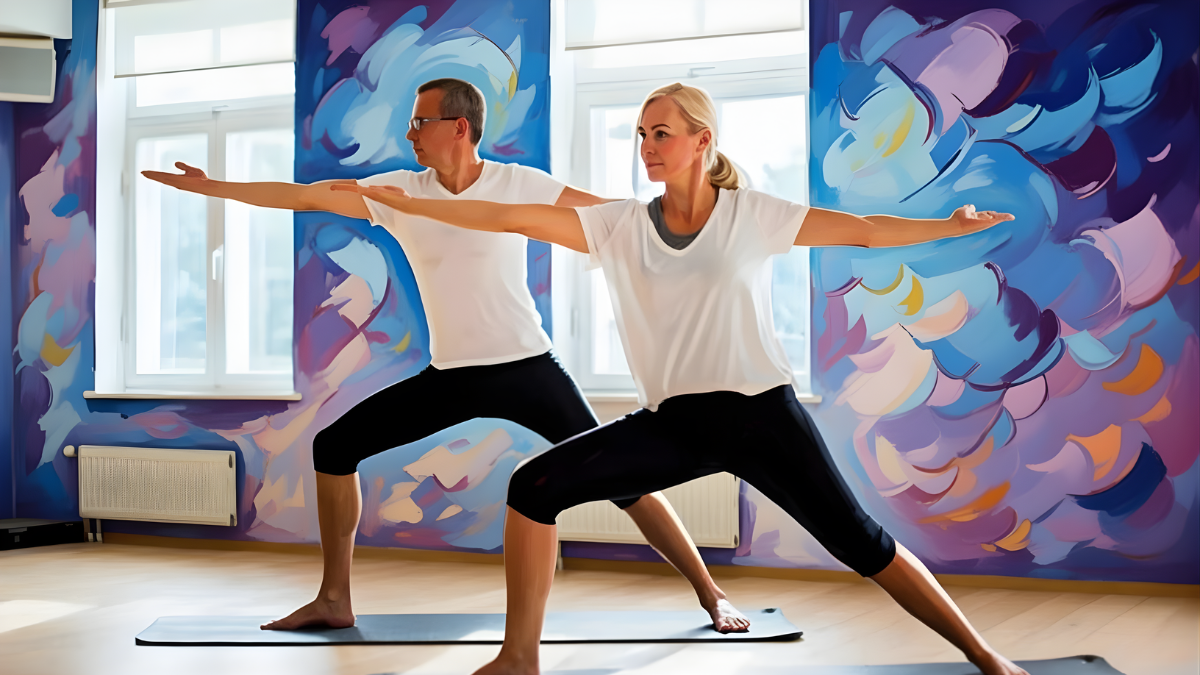
Aging is an inevitable part of life, but the way we age is largely shaped by our daily habits. Staying active, flexible, and mentally balanced becomes increasingly important as the body changes over time. Yoga is one of the most effective and sustainable practices for supporting healthy aging because it addresses not only physical strength and mobility but also balance, circulation, breathing, and mental well-being. Unlike high-impact exercises, yoga is gentle on the joints and adaptable to all fitness levels, making it ideal for long-term practice.
A regular yoga routine can help slow down stiffness, improve posture, enhance energy levels, and support independence as we grow older. It encourages mindful movement, deep breathing, and relaxation, all of which play a vital role in maintaining vitality. Below are eight yoga poses that are especially beneficial for healthy aging and sustained physical and mental energy.
Mountain Pose (Tadasana)
Mountain Pose may look simple, but it is a powerful foundation for healthy posture and balance. This pose trains the body to stand correctly by aligning the spine, engaging the core, and strengthening the legs. As people age, posture often suffers due to muscle weakness or habitual slouching, which can lead to discomfort and reduced mobility.
Practicing Mountain Pose regularly improves body awareness and stability. It helps distribute weight evenly through the feet, strengthens postural muscles, and promotes a sense of groundedness. Over time, this pose supports better balance and confidence in standing and walking.
Tree Pose (Vrikshasana)
Tree Pose is one of the most effective yoga postures for improving balance and concentration. Balance naturally declines with age, increasing the risk of falls. Tree Pose strengthens the ankles, legs, and core while also sharpening mental focus.
By standing on one leg and maintaining steady breathing, the body learns to stabilize itself. This pose also enhances coordination and encourages patience. Practicing Tree Pose regularly can significantly improve balance and body control, which are essential for maintaining independence in daily life.
Chair Pose (Utkatasana)
Chair Pose strengthens the lower body, including the thighs, hips, glutes, and lower back. These muscle groups are critical for everyday activities such as sitting, standing, climbing stairs, and lifting objects. As muscle mass naturally decreases with age, strengthening poses like Chair Pose become especially important.
This pose also engages the core and supports spinal alignment. Although it may feel challenging, even holding it for a few breaths builds endurance and strength. With consistent practice, Chair Pose helps maintain functional strength and stability.
Cat–Cow Stretch
Cat–Cow is a gentle, flowing movement that increases spinal flexibility and relieves tension in the back, neck, and hips. Aging often brings stiffness in the spine, which can restrict movement and cause discomfort. This pose encourages smooth spinal motion while synchronizing movement with breath.
The rhythmic arching and rounding of the spine improve circulation to the spinal discs and support overall mobility. Cat–Cow is particularly beneficial as a warm-up pose and can be practiced daily to maintain spinal health and reduce stiffness.

Downward-Facing Dog (Adho Mukha Svanasana)
Downward-Facing Dog is a full-body pose that combines strength, stretch, and circulation. It stretches the hamstrings, calves, shoulders, and spine while strengthening the arms and legs. This pose also promotes blood flow toward the upper body, which can increase alertness and energy.
For aging bodies, Downward-Facing Dog can be modified by bending the knees or using support under the hands. Practiced regularly, it helps maintain flexibility, build strength, and support overall vitality.
Legs Up the Wall (Viparita Karani)
Legs Up the Wall is a restorative pose that deeply relaxes the nervous system. It is especially helpful for reducing fatigue, swelling in the legs, and mental stress. As we age, recovery and relaxation become just as important as physical activity.
This gentle inversion improves circulation and encourages relaxation without strain. It supports heart health, calms the mind, and promotes better sleep. Practicing this pose regularly can help restore energy and reduce daily stress.
Bound Angle Pose (Baddha Konasana)
Bound Angle Pose focuses on opening the hips, groin, and inner thighs. Hip stiffness is common with aging and can affect walking, posture, and overall comfort. This pose gently stretches these areas while encouraging an upright spine and relaxed breathing.
Improved hip mobility supports smoother movement and reduces strain on the lower back and knees. Bound Angle Pose also promotes relaxation and can be especially soothing when held for longer durations.
Corpse Pose (Shavasana)
Shavasana is an essential part of any yoga practice and plays a crucial role in healthy aging. While it appears passive, it allows the body and mind to fully absorb the benefits of the practice. Chronic stress accelerates aging, and Shavasana helps counteract this by calming the nervous system.
Regular relaxation improves mental clarity, emotional balance, and overall well-being. This pose teaches the body how to rest deeply, which is essential for maintaining vitality and resilience as we age.
Why Yoga Supports Healthy Aging
Yoga addresses multiple aspects of aging at once. It improves flexibility, strength, balance, and posture while also reducing stress and supporting mental health. These benefits work together to enhance overall quality of life and maintain independence.
Consistent practice helps preserve joint mobility, muscle tone, and circulation. It also fosters mindfulness, which encourages better body awareness and healthier lifestyle choices. Even a short daily practice can lead to noticeable improvements over time.

Tips for Practicing Yoga as You Age
Listening to your body is essential. Yoga should never cause sharp pain or discomfort. Using props such as blocks, cushions, or chairs can make poses safer and more accessible. Moving slowly, breathing deeply, and focusing on consistency rather than intensity will bring the best results.
Practicing yoga regularly, even for ten to fifteen minutes a day, is more effective than occasional long sessions. Over time, this steady approach builds strength, flexibility, and confidence.
Conclusion
Healthy aging is about maintaining mobility, balance, strength, and a positive connection with the body. These eight yoga poses offer a gentle yet powerful way to support vitality and overall well-being at any age. From strengthening standing poses to deeply restorative relaxation, yoga provides a complete system for aging with grace, energy, and confidence.
By incorporating these poses into your routine, you can support your body’s natural ability to stay active, resilient, and vibrant throughout the years.
Disclaimer: This article is for general informational purposes only and does not replace professional medical advice. Always consult a healthcare professional before starting a new exercise or yoga routine, especially if you have existing health conditions.