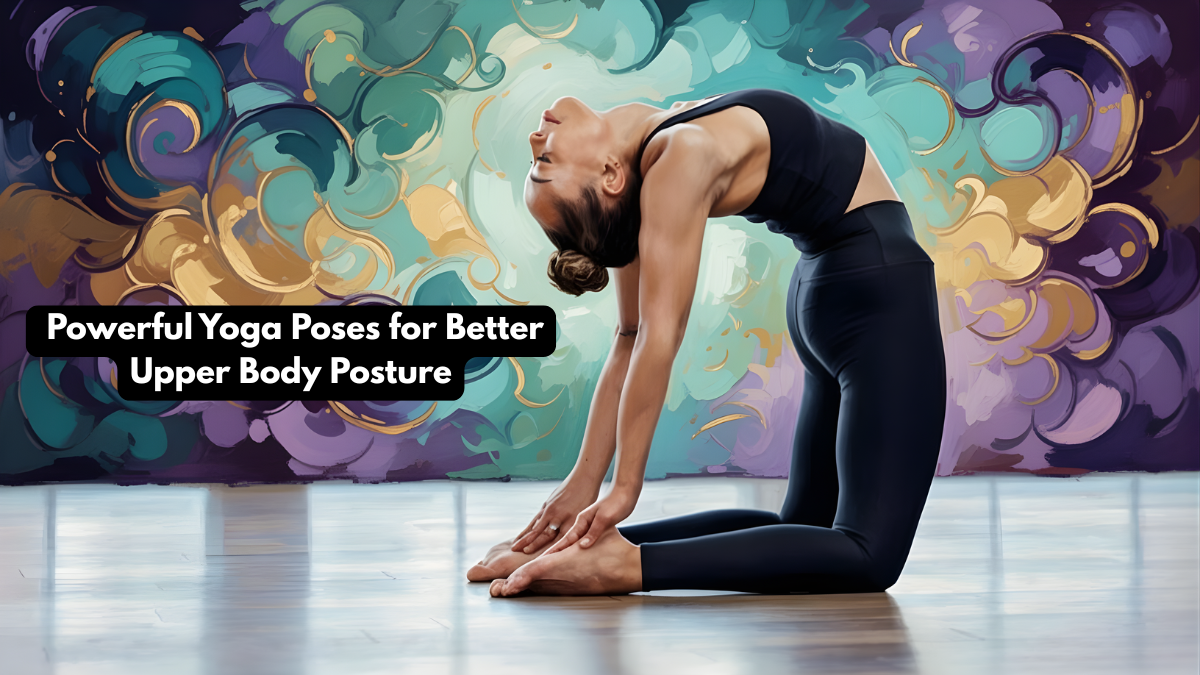
Upper body posture plays a major role in how you look, feel, and move throughout the day. Poor posture often develops gradually due to long hours of sitting, excessive screen use, stress, and lack of upper back strength. Over time, this can lead to rounded shoulders, forward head posture, neck stiffness, upper back pain, and reduced breathing capacity. While posture braces and quick fixes may offer temporary relief, they rarely address the root cause.
Yoga provides a long-term and natural solution by strengthening weak muscles, stretching tight areas, and improving body awareness. When practiced consistently, yoga retrains your muscles and nervous system to support proper alignment without force or strain. Below are seven powerful yoga poses that specifically target the shoulders, chest, upper back, and spine to help restore healthy posture and reduce discomfort.
Why Upper Body Posture Matters More Than You Think
Good posture is not just about appearance. Proper upper body alignment supports spinal health, efficient breathing, and balanced muscle engagement. When posture is poor, certain muscles become overworked while others weaken, creating chronic tension and imbalance. This can lead to headaches, shoulder pain, fatigue, and even reduced lung capacity.
Improving posture through yoga helps reverse these patterns. By opening the chest, strengthening the back, and improving spinal mobility, yoga supports long-lasting postural changes that carry over into daily life.
Mountain Pose (Tadasana): The Foundation of Upright Alignment
Mountain Pose is the starting point for all posture work. Although simple, it teaches correct standing alignment by stacking the head, shoulders, rib cage, and pelvis in one line. This pose develops awareness of how your body holds itself in space.

Practicing Mountain Pose strengthens postural muscles, encourages even weight distribution through the feet, and trains the shoulders to rest naturally back and down. With consistent practice, the alignment learned in this pose begins to feel natural even outside of yoga.
Downward-Facing Dog (Adho Mukha Svanasana): Lengthens and Strengthens the Spine
Downward-Facing Dog is a full-body pose that is particularly effective for upper body posture. It stretches the shoulders, upper back, and spine while strengthening the arms and shoulder stabilizers. Tight shoulders and a compressed spine are common contributors to poor posture, and this pose helps reverse both.
By pressing firmly into the hands and lengthening through the spine, Downward-Facing Dog creates space between the vertebrae and encourages proper shoulder alignment. Modifications such as bending the knees or using blocks under the hands make the pose accessible to all levels.
Cobra Pose (Bhujangasana): Opens the Chest and Strengthens the Upper Back
Cobra Pose is one of the most effective poses for counteracting rounded shoulders and a hunched upper back. It gently opens the chest while strengthening the muscles along the spine, especially in the upper and middle back.
When practiced correctly, Cobra Pose teaches you to lift the chest using back strength rather than pushing with the arms. This reinforces proper posture and reduces dependence on passive support. Over time, it helps restore the natural curve of the upper spine.

Cat–Cow Pose (Marjaryasana–Bitilasana): Improves Spinal Mobility and Awareness
Cat–Cow is a gentle, flowing movement that improves flexibility and awareness throughout the spine. Poor posture often results from a stiff spine that lacks mobility, especially in the upper back and neck.
Moving between spinal flexion and extension helps release tension, improve circulation, and retrain the spine to move smoothly. Cat–Cow also enhances breath coordination, which is closely linked to posture and relaxation.
Bridge Pose (Setu Bandha Sarvangasana): Strengthens the Back Body and Opens the Chest
Bridge Pose strengthens the posterior chain, including the back, glutes, and shoulders, while stretching the chest and front of the shoulders. This combination is essential for correcting forward-leaning posture.
By lifting the hips and opening the chest, Bridge Pose trains the body to support an upright position. It also improves spinal stability and encourages better shoulder positioning. Practicing this pose regularly helps balance the muscles that support posture.
Locust Pose (Salabhasana): Builds Endurance in Postural Muscles
Locust Pose directly targets the muscles responsible for holding the spine upright. These muscles are often weak in people who slouch or sit for extended periods.

By lifting the chest, arms, and legs off the floor, Locust Pose builds strength and endurance in the upper back, shoulders, and spinal muscles. This strength is essential for maintaining good posture throughout the day without fatigue.
Sphinx Pose: Gentle Upper Spine Extension for Daily Relief
Sphinx Pose is a mild backbend that provides gentle extension through the upper spine. It helps open the chest, reduce neck strain, and encourage proper shoulder alignment without excessive effort.
This pose is especially beneficial for people who experience stiffness from prolonged sitting or screen use. Practicing Sphinx Pose regularly helps reinforce upright posture while calming the nervous system.
How These Poses Work Together to Improve Posture
Each of these poses targets a different aspect of posture. Mountain Pose builds awareness, Downward-Facing Dog lengthens and strengthens, Cobra and Sphinx open the chest, Bridge and Locust build back strength, and Cat–Cow restores mobility. Together, they create a balanced approach to posture correction.
Consistency is key. Even practicing these poses for ten to fifteen minutes a day can lead to noticeable improvements over time.

Tips for Practicing Yoga for Posture
Focus on quality rather than intensity. Move slowly, breathe deeply, and pay attention to alignment. Using props such as blocks or cushions can make poses safer and more effective. Avoid forcing any position, and stop if you feel sharp pain.
Maintaining awareness of posture outside of yoga practice reinforces the benefits and helps create lasting change.
Conclusion
Improving upper body posture is not about forcing yourself to stand straight. It is about building strength, flexibility, and awareness so that proper alignment feels natural and effortless. These seven powerful yoga poses offer a safe and effective way to correct postural imbalances, reduce tension, and support long-term spinal health.
With consistent practice, yoga can help you stand taller, breathe more freely, and move with greater confidence and comfort in everyday life.
Disclaimer: This article is for informational purposes only and does not replace professional medical advice. Always consult a qualified healthcare provider before starting a new exercise or yoga routine, especially if you have existing injuries or medical conditions.