In today’s fast-paced lifestyle, constant screen exposure, work pressure, poor sleep, and emotional stress keep the nervous system in a continuous state of alert. When this stress response stays active for too long, it can lead to anxiety, irritability, fatigue, poor digestion, and disturbed sleep. Yoga offers a natural and proven way to calm the nervous system by activating the parasympathetic response, often called the rest-and-digest mode. Certain yoga poses gently signal the brain to slow down, relax the muscles, and stabilize breathing patterns.
This article explains six highly effective yoga poses that help calm the nervous system, improve mental clarity, and restore emotional balance. These poses are suitable for beginners as well as experienced practitioners and can be practiced at home without any special equipment.
Understanding How Yoga Calms the Nervous System
The nervous system has two main branches. The sympathetic nervous system controls the fight-or-flight response, while the parasympathetic nervous system is responsible for relaxation and recovery. Stressful routines overstimulate the sympathetic system, keeping the body tense and the mind restless. Gentle yoga postures combined with slow breathing help activate the parasympathetic system, lowering heart rate, reducing cortisol levels, and calming brain activity.
Restorative and forward-bending poses are especially effective because they encourage inward awareness, slow breathing, and physical grounding. Holding these poses for longer durations allows the body to release stored tension and signals safety to the brain.
Child’s Pose for Deep Grounding and Emotional Release
Child’s Pose is one of the most soothing yoga postures for calming the nervous system. It gently stretches the lower back, hips, and shoulders while allowing the forehead to rest on the mat, which creates a grounding effect on the mind. This posture encourages slow breathing and reduces mental overactivity.
As the body folds inward, the nervous system receives signals of protection and rest. Practicing Child’s Pose regularly can help reduce anxiety, ease emotional overwhelm, and promote a sense of inner security. Staying in this pose for one to three minutes while focusing on deep belly breathing enhances its calming benefits.
Legs-Up-the-Wall Pose to Reset the Stress Response
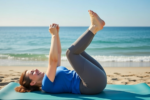
Legs-Up-the-Wall is a gentle inversion that significantly relaxes the nervous system without putting strain on the body. By elevating the legs, blood circulation improves, and pressure is taken off the lower body. This position helps slow the heart rate and encourages relaxed breathing.
This pose is particularly helpful for people experiencing fatigue, insomnia, or anxiety. It allows the body to recover from overstimulation while calming the mind. Practicing this posture at the end of the day or before bedtime can improve sleep quality and reduce nervous tension accumulated throughout the day.
Seated Forward Bend to Quiet the Mind
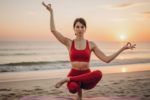
Seated Forward Bend is a classic yoga posture known for its calming and introspective effects. Forward folds naturally soothe the nervous system by reducing sensory stimulation and encouraging mental stillness. This pose stretches the spine, hamstrings, and lower back while promoting slow, rhythmic breathing.
As the torso folds over the legs, the mind turns inward, helping to quiet racing thoughts and emotional agitation. Holding this pose gently without forcing the stretch is key. With each exhale, tension releases from the body, allowing the nervous system to gradually relax.
Supported Bridge Pose for Nervous System Balance
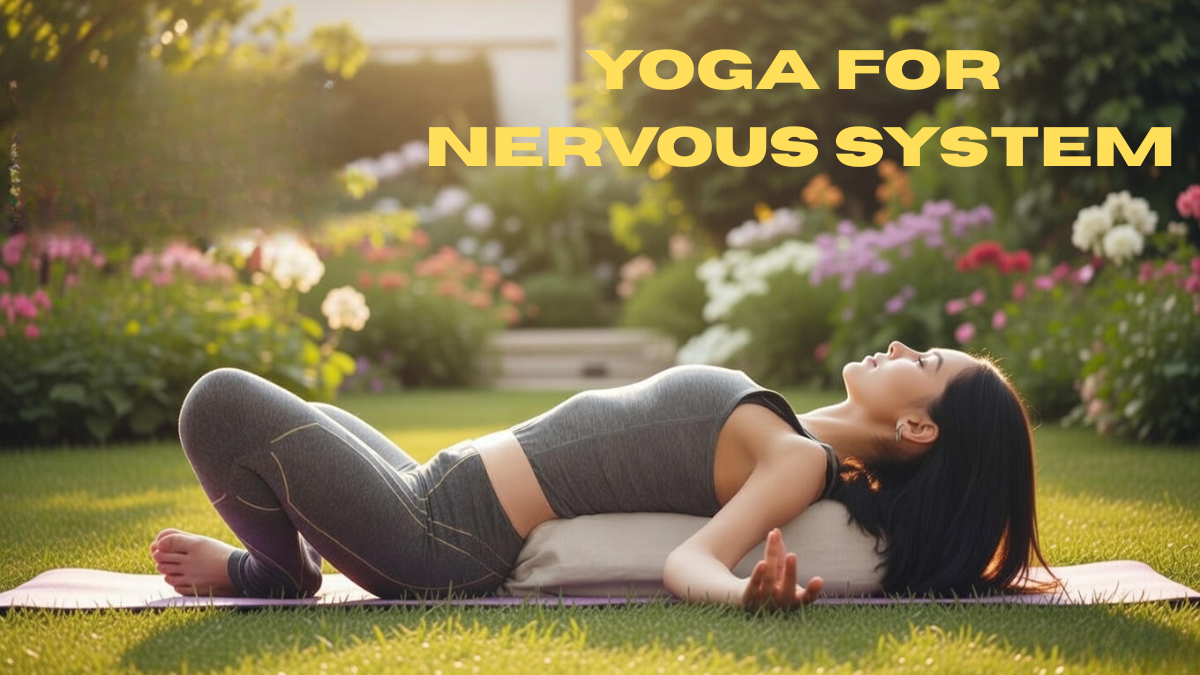
Supported Bridge Pose is a restorative posture that opens the chest and heart area while providing full support to the spine. By using a yoga block or cushion under the lower back, the body remains relaxed without muscular effort. This pose gently stimulates the vagus nerve, which plays a vital role in regulating the nervous system.
The chest opening improves breathing capacity and allows deeper inhalations, which naturally calm the nervous system. Supported Bridge Pose is especially beneficial for people dealing with stress-related fatigue, mild depression, or emotional exhaustion. Practicing this pose for a few minutes helps restore energy while maintaining a calm mental state.
Alternate Nostril Breathing to Stabilize the Nervous System
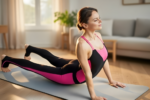
Although not a physical posture, Alternate Nostril Breathing is one of the most powerful yogic techniques for calming the nervous system. This breathing practice balances both hemispheres of the brain and regulates the flow of energy throughout the body.
Slow, controlled breathing through alternating nostrils helps reduce anxiety, stabilize emotions, and improve focus. Practicing this technique daily for five to ten minutes can significantly lower stress levels and enhance nervous system resilience. It is particularly effective when combined with calming yoga poses.
Corpse Pose for Complete Nervous System Reset
Corpse Pose is the final and most essential posture for calming the nervous system. It allows the body and mind to fully integrate the benefits of the yoga practice. Lying still with relaxed limbs and steady breathing sends a powerful message of safety and rest to the brain.
This pose reduces brain activity, lowers blood pressure, and releases deep-seated tension from the nervous system. Practicing Corpse Pose for at least five minutes helps restore mental clarity, emotional balance, and physical relaxation. Guided relaxation or body awareness techniques can further enhance its calming effects.
How to Practice These Poses for Maximum Benefit
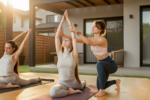
To calm the nervous system effectively, consistency and mindful breathing are more important than intensity. Practicing these poses in a quiet environment with slow, deep breaths allows the nervous system to respond positively. Holding poses for longer durations without strain helps activate the parasympathetic response more efficiently.
Combining these yoga poses into a short daily routine can help manage stress, improve sleep quality, and enhance emotional stability over time. Even ten to fifteen minutes of gentle practice can make a noticeable difference in nervous system health.
Conclusion
Calming the nervous system is essential for maintaining overall physical and mental well-being. These six effective yoga poses offer a natural and accessible way to reduce stress, regulate emotions, and restore inner balance. By practicing these poses regularly with mindful breathing, the body learns to relax more easily, even during challenging situations. Yoga not only helps relieve immediate stress but also builds long-term resilience, allowing the nervous system to function in a healthier and more balanced way.
Disclaimer: This article is for general wellness information only and does not replace medical advice. Consult a qualified healthcare professional before starting any new exercise routine.