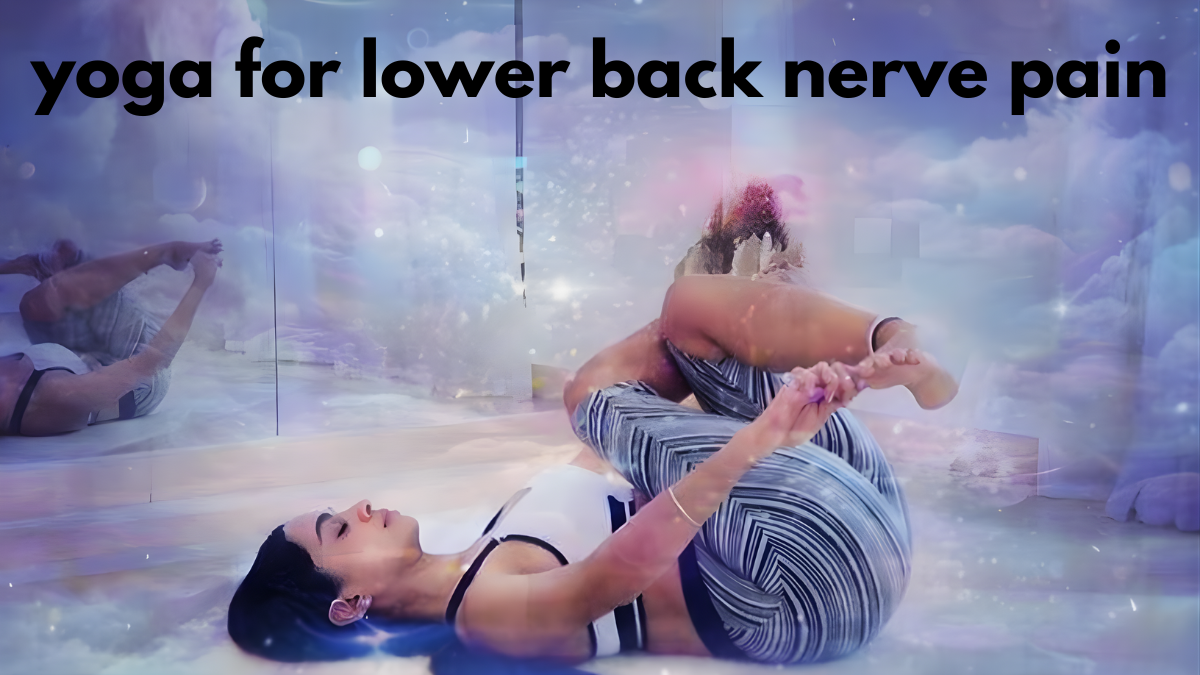
Lower back nerve pain can interfere with daily life in ways that are both physically exhausting and mentally draining. Whether the discomfort is caused by prolonged sitting, poor posture, muscle tightness, or irritation of the sciatic nerve, the pain often radiates into the hips, buttocks, or legs and limits mobility. Many people after 30 or 40 look for natural ways to manage this discomfort without relying heavily on medication. Gentle yoga, when done correctly, can be an effective and safe approach.
This article explains a carefully designed 12-minute yoga routine that focuses on easing nerve pressure in the lower back. The poses are slow, controlled, and beginner-friendly, making them suitable for home practice. The goal is not to force flexibility but to create space in the spine, relax tight muscles, and support the nervous system.
Why Lower Back Nerve Pain Happens
Lower back nerve pain usually occurs when nerves are compressed or irritated due to muscle tightness, spinal misalignment, disc issues, or inflammation. Long sitting hours, weak core muscles, and reduced hip mobility can increase pressure on nerve pathways, especially the sciatic nerve.
Stress also plays a role. When the nervous system is overstimulated, muscles tend to tighten, which can worsen nerve pain. Yoga addresses both physical and mental contributors by combining gentle movement with slow, calming breathing.
How Yoga Helps Relieve Nerve Pain Safely
Yoga works by gently stretching tight muscles around the spine, hips, and hamstrings while strengthening muscles that support proper alignment. This combination can reduce pressure on nerves and improve circulation in the affected area.

Unlike high-impact exercise, yoga movements are slow and controlled. This allows the nervous system to relax rather than react defensively. Over time, consistent practice can help improve mobility, reduce flare-ups, and support long-term lower back health.
Cat Cow Pose to Warm Up the Spine
Cat Cow is an ideal starting pose for any lower back routine. It gently moves the spine through flexion and extension, improving circulation and reducing stiffness without strain.
Begin on your hands and knees with a neutral spine. As you inhale, gently arch your back and lift your chest. As you exhale, round your spine and draw your chin toward your chest. Move slowly with your breath for one to two minutes. This pose prepares the spine and muscles for deeper stretches.
Child’s Pose for Deep Lower Back Release
Child’s Pose allows the lower back muscles to relax completely. It gently stretches the spine while calming the nervous system, which is especially helpful when nerve pain is aggravated by stress.
From hands and knees, sit back on your heels and extend your arms forward. Allow your forehead to rest down and breathe deeply. Stay here for one to two minutes, focusing on releasing tension with each exhale.

Cobra Pose to Reduce Nerve Compression
Cobra Pose is a gentle backbend that helps strengthen the muscles along the spine and counteracts prolonged forward bending or slouching. When done carefully, it can reduce pressure on nerves in the lower back.
Lie on your stomach with your hands under your shoulders. Inhale and lift your chest slightly while keeping your elbows bent and shoulders relaxed. Avoid pushing into pain. Hold briefly and release, repeating for one to two minutes with controlled breathing.
Downward Facing Dog to Lengthen the Spine
Downward Facing Dog helps elongate the spine and stretch the hamstrings, which can reduce pulling on the lower back and sciatic nerve.
From hands and knees, lift your hips upward and back, keeping your knees slightly bent if needed. Focus on lengthening the spine rather than forcing the heels down. Hold for one to two minutes while breathing slowly and evenly.
Reclined Spinal Twist for Nerve Relaxation
Gentle twists help release tension around the spine and hips, areas closely connected to lower back nerve pain. Reclined twists are especially safe and soothing.

Lie on your back with arms extended to the sides. Bend your knees and slowly drop them to one side while keeping your shoulders relaxed. Hold for about one minute, then switch sides. This pose encourages spinal mobility and nerve relaxation.
Bridge Pose for Strength and Stability
Bridge Pose strengthens the lower back, glutes, and core muscles that support the spine. Strong support muscles help reduce future nerve compression.
Lie on your back with knees bent and feet hip-width apart. Press into your feet and gently lift your hips. Hold for a few breaths, then lower slowly. Repeat for one to two minutes with control and awareness.
Optional Legs Up the Wall for Full Decompression
Legs Up the Wall is an optional but powerful finishing pose. It allows the lower back to decompress while calming the nervous system.
Lie on your back near a wall and extend your legs upward. Rest your arms comfortably and breathe deeply for one to two minutes. This pose promotes circulation and relaxation, supporting nerve recovery.

Key Benefits of This 12-Minute Yoga Routine
• Gently reduces pressure on lower back nerves
• Improves spinal mobility and alignment
• Relaxes tight muscles around hips and spine
• Calms the nervous system and reduces stress-related pain
With regular practice, these benefits can lead to noticeable improvement in comfort and movement.
How Often Should You Practice
For best results, this routine can be practised daily or at least four to five times a week. Consistency matters more than intensity. Even on days when pain feels mild, gentle movement helps prevent stiffness and flare-ups.
Always move slowly and stop immediately if you feel sharp or worsening pain. Using cushions or yoga blocks for support can make poses more comfortable.
Conclusion
Lower back nerve pain does not always require aggressive treatment or intense exercise. A gentle 12-minute yoga routine can provide meaningful relief by improving spinal alignment, relaxing tight muscles, and calming the nervous system. Poses like Cat Cow, Child’s Pose, Cobra, Downward Facing Dog, Reclined Twist, and Bridge Pose work together to support nerve health in a safe and accessible way. With mindful practice and patience, yoga can help you move with greater ease and confidence over time.

Disclaimer: This article is for general wellness and informational purposes only and does not replace professional medical advice. Always consult a healthcare provider if pain is severe or persistent.