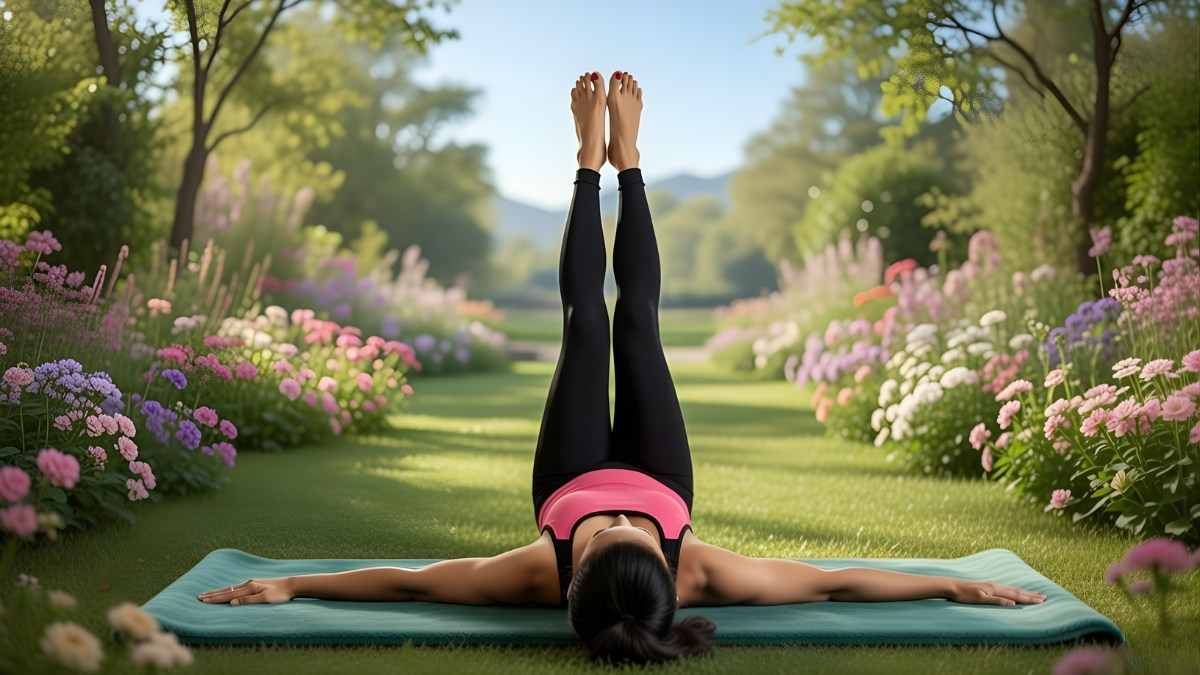
Heart health is one of the most important aspects of overall well-being, yet it is often affected by stress, sedentary lifestyles, poor posture, and irregular breathing patterns. A healthy heart relies on efficient blood circulation, balanced nervous system activity, and proper oxygen delivery throughout the body. While walking, diet, and medical care are essential, yoga plays a unique and powerful role in supporting cardiovascular health naturally.
Yoga is not just about flexibility. It combines gentle physical movement, deep breathing, and mental relaxation, all of which directly influence heart function and blood flow. Practicing the right yoga poses regularly can help reduce stress levels, support healthy blood pressure, improve circulation, and strengthen the connection between the heart, lungs, and nervous system. This article explains the 5 best yoga poses for heart health and better blood flow, how they work, and why they are effective when practiced consistently.
Why Yoga Is Beneficial for Heart Health
The heart responds strongly to stress. Chronic stress can elevate heart rate, increase blood pressure, and restrict blood vessels, putting extra strain on the cardiovascular system. Yoga counteracts this by activating the parasympathetic nervous system, also known as the relaxation response. When the body enters this state, the heart rate slows, blood vessels relax, and circulation improves.
Yoga also encourages slow, deep breathing, which increases oxygen intake and helps the heart pump blood more efficiently. Over time, this combination of movement and breath supports better cardiovascular endurance and overall heart function.

Mountain Pose to Improve Posture and Circulation
Mountain Pose may appear simple, but it lays the foundation for better heart health. This standing posture improves alignment, opens the chest, and encourages full, deep breathing. Poor posture compresses the chest and restricts lung capacity, forcing the heart to work harder. Mountain Pose corrects this by aligning the spine and lifting the ribcage.
By practicing steady breathing in this pose, oxygen delivery improves and blood circulation becomes more efficient. It also promotes awareness of posture, which plays a long-term role in reducing strain on the heart and lungs during daily activities.
Cobra Pose to Open the Chest and Support Oxygen Flow
Cobra Pose is a gentle backbend that directly benefits the heart by expanding the chest and lungs. Many people spend long hours sitting or looking down at screens, which compresses the chest and limits breathing. Cobra Pose reverses this pattern by stretching the front of the body and strengthening the back muscles.
Opening the chest allows the lungs to expand more fully, increasing oxygen supply to the bloodstream. Improved oxygenation reduces fatigue and supports efficient heart function. Cobra Pose also stimulates circulation in the upper body, making it a valuable posture for heart health when practiced mindfully.

Downward Facing Dog to Enhance Full Body Blood Flow
Downward Facing Dog is a well-known yoga pose that gently inverts the body, allowing gravity to assist blood circulation. In this position, the heart is slightly elevated above the head, which encourages blood flow toward the upper body and brain while still maintaining a calm, steady rhythm.
This pose supports heart health by improving circulation, reducing stress, and strengthening muscles that assist blood movement throughout the body. The gentle inversion also helps relieve tension in the spine and shoulders, areas that commonly hold stress and restrict breathing.
Standing Forward Bend to Calm the Heart and Mind
Standing Forward Bend is a powerful posture for calming the nervous system and supporting circulation. By folding forward, the head moves closer to the heart, encouraging blood flow to the brain while reducing mental stress. This calming effect directly benefits heart health by lowering stress-related strain.
This pose also stretches the back of the body and releases tension in the neck and shoulders. When these areas relax, breathing becomes deeper and more efficient, allowing the heart to function with less effort. Practicing this pose slowly with relaxed breathing is especially beneficial for people dealing with anxiety or high stress levels.

Corpse Pose With Deep Breathing for Cardiovascular Recovery
Corpse Pose may look like simple rest, but it is one of the most important poses for heart health. When combined with deep, mindful breathing, it allows the body to fully relax and absorb the benefits of yoga practice. This pose helps reduce heart rate, lower blood pressure, and stabilize circulation.
Deep breathing in Corpse Pose stimulates the vagus nerve, which plays a key role in regulating heart rhythm and stress response. Ending a yoga session with this pose helps reset the nervous system and promotes long-term cardiovascular balance.
How These Yoga Poses Improve Blood Flow
Each of these yoga poses improves circulation in a different way. Standing poses improve posture and oxygen delivery. Backbends expand the chest and lungs. Gentle inversions assist blood movement with gravity. Forward bends calm the nervous system and reduce tension. Restorative poses lower stress hormones that negatively affect the heart.
Together, these poses create a balanced routine that supports healthy blood flow throughout the body while reducing unnecessary strain on the heart.

How Often to Practice Yoga for Heart Health
Consistency matters more than intensity. Practicing these yoga poses for 15 to 30 minutes most days of the week can lead to noticeable improvements in energy levels, circulation, and stress management. Even short daily sessions can support heart health when practiced with awareness and proper breathing.
It is important to move slowly, avoid holding the breath, and listen to your body. Gentle yoga practiced regularly is far more beneficial for the heart than intense sessions done occasionally.
Important Safety Tips
If you have a heart condition, high blood pressure, or are recovering from illness, consult a healthcare professional before starting a yoga routine. Avoid straining, forceful breathing, or extreme poses. Yoga for heart health should always feel calming, not exhausting.
Conclusion
Yoga offers a natural and effective way to support cardiovascular wellness. The 5 best yoga poses for heart health and better blood flow, Mountain Pose, Cobra Pose, Downward Facing Dog, Standing Forward Bend, and Corpse Pose with deep breathing, work together to improve circulation, reduce stress, and strengthen the heart’s efficiency. When practiced regularly and mindfully, these poses can help maintain a healthier heart, calmer mind, and better overall vitality.

Disclaimer: This article is for general informational purposes only and should not replace professional medical advice.