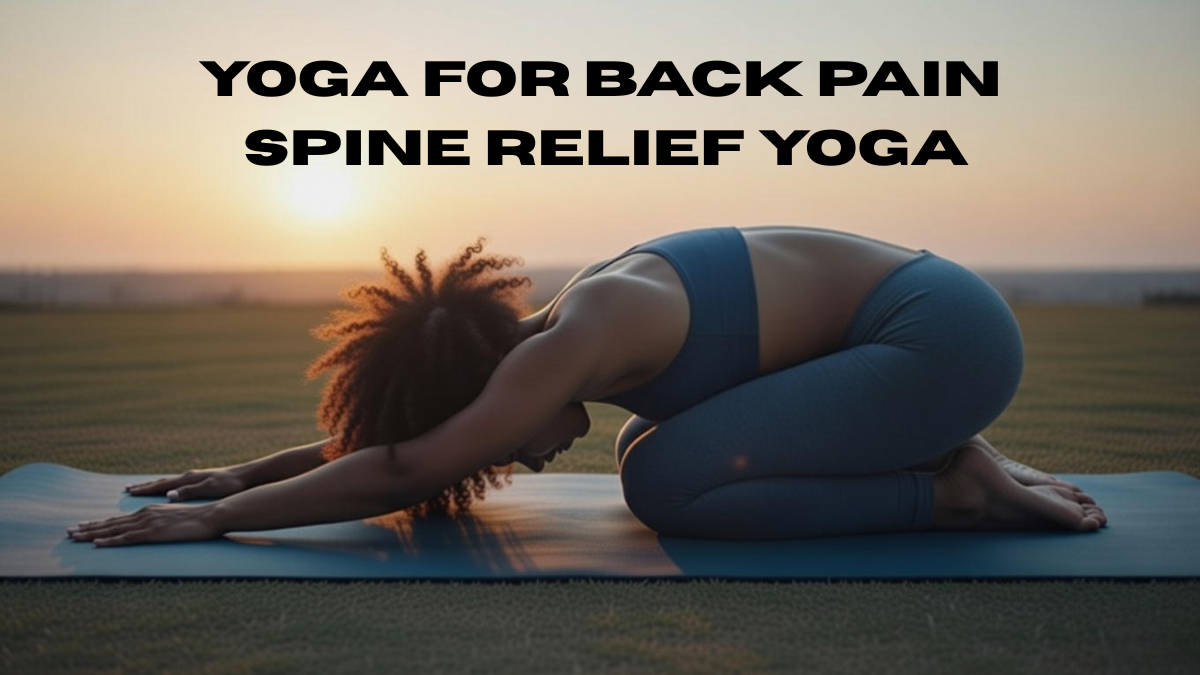
Back and spine discomfort have become extremely common in modern life. Long hours of sitting, poor posture, lack of movement, stress, and weak core muscles all contribute to stiffness and pain in the back. Over time, this discomfort can affect daily activities, sleep quality, and overall well-being. While medical treatment is essential for serious conditions, gentle yoga can play a powerful role in reducing back pain, improving spinal flexibility, and supporting long-term spine health.
Yoga works by combining slow, controlled movements with deep breathing. This approach relaxes tight muscles, improves circulation, and encourages proper spinal alignment. When practiced regularly, soothing yoga poses can help relieve pressure on the spine, strengthen supportive muscles, and restore natural mobility. This article explores five gentle yet effective yoga poses that are especially helpful for easing back and spine discomfort and promoting lasting relief.
How Yoga Supports Back and Spine Health
The spine is designed to move in multiple directions, yet daily habits often keep it locked in one position for long periods. Sitting for hours compresses the lower back, weakens core muscles, and tightens the hips and shoulders. Yoga counteracts these effects by gently moving the spine through flexion, extension, and lengthening.
Slow yoga poses activate the parasympathetic nervous system, which helps the body relax and reduces muscle guarding caused by stress. Improved breathing during yoga also increases oxygen flow to spinal tissues, aiding recovery and reducing inflammation. Over time, this combination helps improve posture, flexibility, and overall spinal stability.

Cat-Cow Pose for Spinal Mobility and Tension Release
Cat-Cow Pose is one of the most effective movements for improving spinal mobility and relieving stiffness. This gentle flow moves the spine through flexion and extension, helping lubricate the joints and release tension along the entire back.
As you alternate between rounding and arching the spine, tight muscles in the neck, upper back, and lower back gradually relax. This movement also improves coordination between breath and motion, which is essential for calming the nervous system. Practicing Cat-Cow regularly can reduce stiffness caused by prolonged sitting and improve overall spinal flexibility.
Child’s Pose for Lower Back Comfort and Deep Relaxation
Child’s Pose is a deeply restorative posture that gently stretches the lower back, hips, and spine. It allows the spine to lengthen naturally while the body rests in a supported position. This pose is especially beneficial for relieving lower back tension and soothing the nervous system.
As the torso folds forward, pressure on the spinal discs decreases, creating a sense of space and ease in the back. The calming nature of this posture also helps release emotional stress that often contributes to physical tension. Spending a few minutes in Child’s Pose can provide immediate relief and help reset the body after a long day.

Cobra Pose to Strengthen and Support the Spine
Cobra Pose is a gentle backbend that strengthens the muscles supporting the spine while opening the chest and shoulders. Unlike deeper backbends, Cobra allows controlled movement without excessive strain, making it suitable for most people when practiced mindfully.
This pose helps counteract the rounded posture caused by sitting and screen use. By gently lifting the chest, the spine regains its natural curve, and the back muscles become stronger and more resilient. Over time, Cobra Pose can improve posture, reduce stiffness, and support healthy spinal alignment.
Downward-Facing Dog for Full Back Stretch and Alignment
Downward-Facing Dog provides a full-length stretch for the spine while engaging the muscles that support it. This pose lengthens the back from the tailbone to the neck and helps release tension in the shoulders and upper back.
By gently decompressing the spine, Downward-Facing Dog improves circulation and flexibility. It also strengthens the arms, shoulders, and core, which play an important role in maintaining spinal stability. Practicing this pose regularly can help relieve both upper and lower back discomfort and improve overall posture.

Sphinx Pose for Gentle Lower Back Strengthening
Sphinx Pose is a mild backbend that focuses on strengthening the lower back without placing excessive pressure on the spine. Because the forearms remain on the floor, the pose offers support and stability, making it ideal for beginners or those with sensitive backs.
This posture gently activates the muscles along the spine and encourages proper alignment. It also promotes awareness of posture and spinal positioning, which can translate into better movement habits off the mat. Sphinx Pose is particularly helpful for improving lower back endurance and reducing discomfort caused by prolonged sitting.
How to Practice These Poses Safely for Best Results
When practicing yoga for back and spine relief, slow and mindful movement is key. Avoid forcing any pose or pushing through sharp pain. Gentle sensations and mild stretching are appropriate, but discomfort should never feel intense or sudden.
Breathing deeply throughout each pose enhances relaxation and helps the muscles release tension. Holding poses for several breaths allows the spine to respond gradually, leading to better results. Practicing these poses consistently, even for ten to fifteen minutes a day, can lead to noticeable improvements in comfort and mobility.

If back pain is severe, persistent, or caused by injury, consulting a healthcare professional before beginning a yoga routine is strongly recommended.
Long-Term Benefits of Yoga for the Spine
With regular practice, soothing yoga poses do more than relieve temporary discomfort. They help build strength in the muscles that support the spine, improve posture, and increase body awareness. Over time, this reduces the likelihood of recurring back pain and promotes long-term spinal health.
Yoga also reduces stress, which is a major contributor to muscle tension and pain. By calming both the body and mind, yoga supports holistic healing and overall well-being.
Conclusion
Back and spine pain can significantly affect quality of life, but gentle yoga offers a natural and effective way to find relief. The five soothing yoga poses discussed here support spinal mobility, strengthen supportive muscles, and reduce tension caused by modern lifestyles. When practiced regularly and mindfully, these poses can help restore comfort, improve posture, and promote lasting spine health. Yoga is not just about flexibility but about creating balance, strength, and ease throughout the body.

Disclaimer: This article is for general wellness information only and does not replace professional medical advice. Consult a qualified healthcare provider before starting any new exercise routine.