As the body crosses the age of 40, many people begin to notice subtle but persistent changes in posture and spinal comfort. Long hours of sitting, reduced physical activity, and age-related muscle weakening often lead to rounded shoulders, stiffness in the lower back, and a compressed spine. Over time, these issues can affect balance, flexibility, and overall confidence. The good news is that you do not need intense workouts or advanced yoga to support spinal health. Gentle, consistent yoga poses can help realign the spine, strengthen supporting muscles, and improve posture safely.
This article explains six gentle yoga poses that are especially suitable after 40. These poses focus on spinal mobility, lengthening, strength, and relaxation, making them ideal for beginners and those returning to movement after years of inactivity.
Why Spine Health Becomes More Important After 40
After 40, spinal discs may lose some hydration and flexibility, while the muscles that support the spine, especially the core and upper back, can weaken. Poor posture habits formed over decades often become more noticeable, leading to stiffness, neck strain, and chronic discomfort.
Yoga helps counter these changes by gently stretching tight muscles, strengthening weak areas, and improving body awareness. Unlike high-impact exercises, yoga works slowly and mindfully, allowing the spine to regain length and balance without strain.

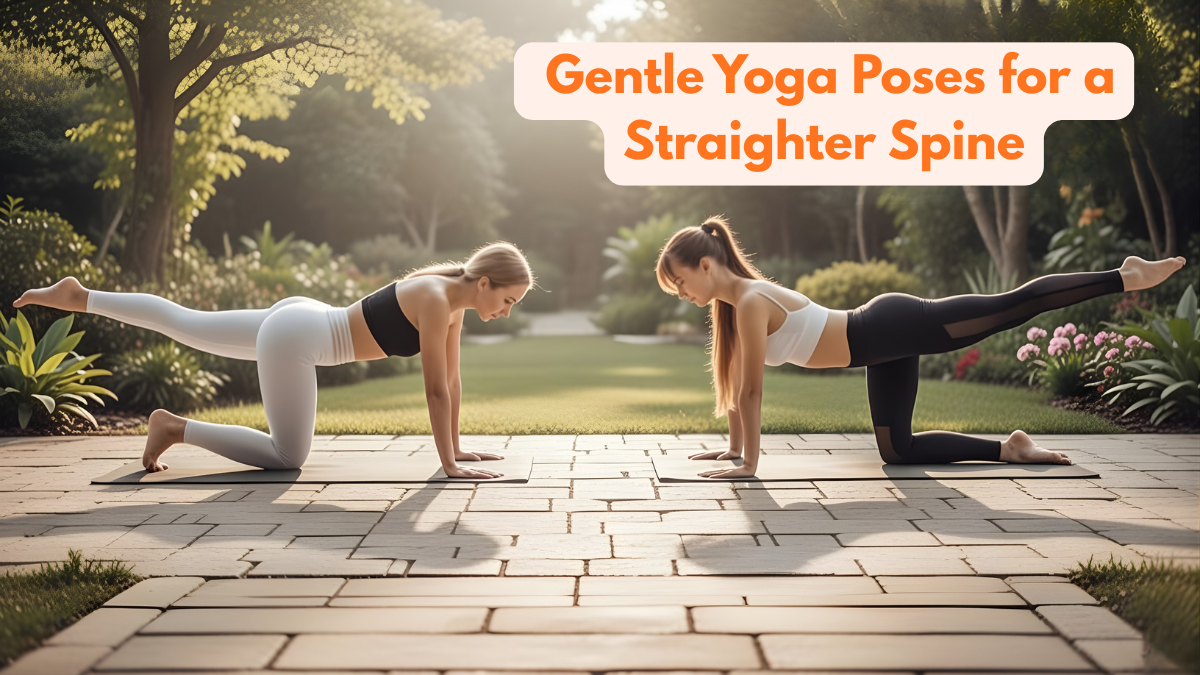
Cat Cow Pose for Gentle Spinal Mobility
Cat Cow is one of the best poses for keeping the spine flexible and healthy at any age. It gently moves the spine through flexion and extension, improving circulation and reducing stiffness in the neck, upper back, and lower back.
Begin on all fours with hands under shoulders and knees under hips. As you inhale, gently arch your back, lifting your chest and tailbone. As you exhale, round your spine, drawing your chin toward your chest. Flow slowly between these movements with your breath. Practising Cat Cow regularly helps lubricate the joints of the spine and improves posture awareness.
Downward Facing Dog to Lengthen the Spine
Downward Facing Dog is excellent for decompressing the spine and counteracting the effects of prolonged sitting. This pose gently stretches the entire back body, including the spine, shoulders, and hamstrings, while also strengthening the arms and upper back.
From hands and knees, lift your hips upward and back, forming an inverted V shape. Keep your knees slightly bent if needed and focus on lengthening the spine rather than forcing the heels down. This pose creates space between the vertebrae and encourages better alignment over time.
Cobra Pose to Strengthen the Back Muscles
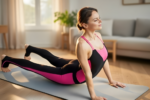
Cobra Pose is a gentle backbend that strengthens the muscles along the spine and opens the chest. After 40, many people develop a forward-rounded posture due to weak back muscles and tight chest muscles. Cobra helps reverse this pattern safely.
Lie on your stomach with hands under your shoulders. As you inhale, lift your chest slightly while keeping elbows soft and shoulders relaxed. Avoid pushing too high or compressing the lower back. Practised mindfully, Cobra Pose helps rebuild spinal strength and supports an upright posture.
Bridge Pose for Lower Back Support and Alignment
Bridge Pose strengthens the muscles of the lower back, hips, and core, which are essential for spinal stability. It also opens the front of the body, helping reduce stiffness caused by long hours of sitting.
Lie on your back with knees bent and feet hip-width apart. Press into your feet and gently lift your hips while keeping your neck relaxed. Hold for a few breaths before lowering slowly. Regular practice of Bridge Pose supports better spinal alignment and reduces lower back discomfort.

Child’s Pose to Release Spinal Tension
Child’s Pose is deeply restorative and ideal for releasing tension along the spine. It gently stretches the back, hips, and shoulders while calming the nervous system. Stress and mental tension often contribute to poor posture, and this pose helps address both physical and emotional strain.
Kneel on the floor, sit back on your heels, and extend your arms forward as you rest your forehead down. Breathe slowly and allow the spine to relax and lengthen naturally. This pose is especially beneficial after strengthening postures.
Mountain Pose to Relearn Proper Posture
Mountain Pose may appear simple, but it is one of the most powerful poses for posture correction. It teaches you how to stand correctly by aligning the spine, engaging the core, and distributing weight evenly.
Stand tall with feet grounded, shoulders relaxed, and spine lengthened upward. Imagine a string gently lifting the crown of your head. Practising Mountain Pose regularly helps retrain the body to maintain proper alignment throughout daily activities.
Key Benefits of These Gentle Yoga Poses After 40
• Helps lengthen and decompress the spine
• Strengthens muscles that support posture
• Reduces stiffness and back discomfort
• Improves balance, alignment, and body awareness
When practised consistently, these benefits contribute to a straighter, stronger, and more comfortable spine.
How Often Should You Practise for Best Results
Consistency matters more than intensity. Practising these poses for just 10 to 20 minutes a day can bring noticeable improvements over time. Focus on slow movements, steady breathing, and comfort rather than depth of stretch. Using props like cushions or yoga blocks can make poses more accessible and safe.
Conclusion
Straightening and supporting your spine after 40 does not require extreme flexibility or strenuous exercise. Gentle yoga poses like Cat Cow, Downward Facing Dog, Cobra, Bridge, Child’s Pose, and Mountain Pose offer a safe and effective way to improve posture, reduce stiffness, and strengthen the spine naturally. With regular practice and mindful movement, yoga can help you stand taller, move more comfortably, and protect your spinal health as you age.
Disclaimer: This article is for general wellness and informational purposes only and does not replace professional medical advice.