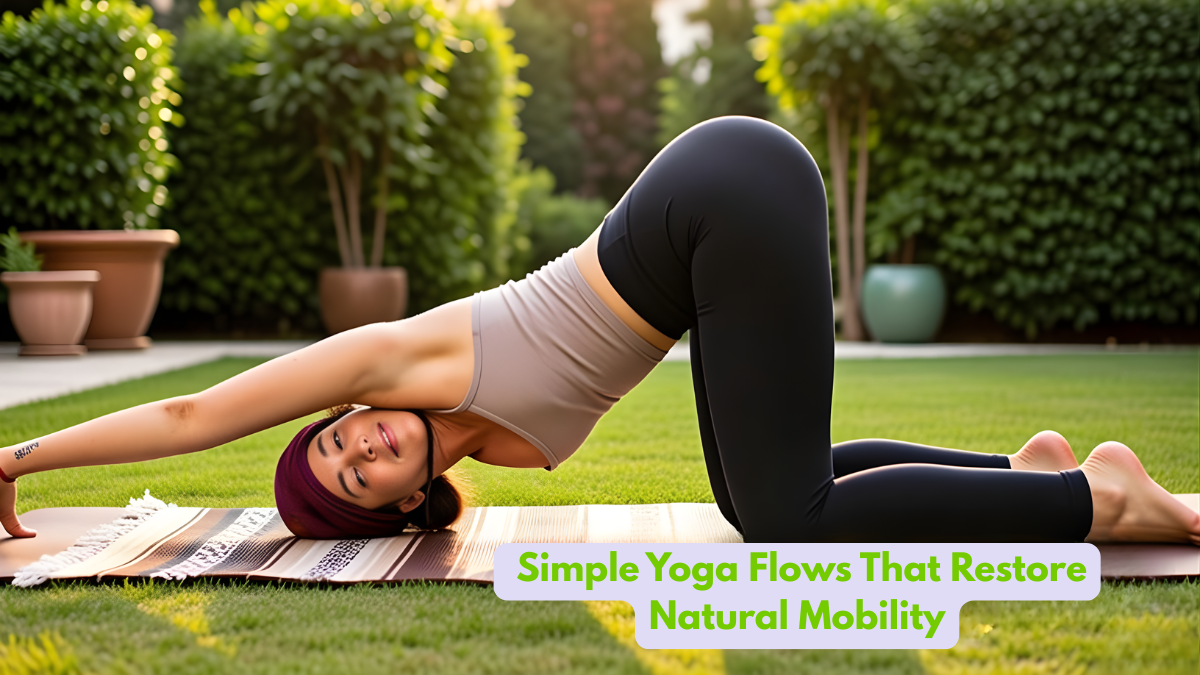
Chronic hip stiffness is no longer limited to athletes or older adults. Long hours of sitting, minimal daily movement, poor posture, stress, and lack of stretching have made tight hips a common issue for people of all ages. When hip stiffness becomes chronic, it can affect posture, walking patterns, lower back comfort, and even knee health. Sudden or aggressive stretching rarely helps and can sometimes make things worse. What the hips need most is gentle, consistent movement.
Yoga flows are especially effective for chronic hip stiffness because they combine slow transitions, controlled breathing, and joint-friendly stretches. Instead of forcing flexibility, these flows encourage gradual release and improved mobility. Below are ten simple yoga flows designed to ease long-standing hip tightness and restore natural movement safely.
Why Yoga Flows Work Better for Chronic Hip Stiffness
Chronic stiffness usually develops from years of restricted movement. Muscles around the hips become tight, weak, or overworked, and the nervous system starts guarding the area. Yoga flows address this by keeping the body moving slowly between poses rather than holding extreme stretches.
The rhythmic movement improves circulation to the hip joints, warms the surrounding muscles, and signals the nervous system that it is safe to relax. Over time, this reduces resistance, improves range of motion, and makes everyday activities feel smoother and less restricted.
Flow 1: Cat–Cow Into Child’s Pose
This flow gently wakes up the spine and hips while easing tension built up from sitting. Moving slowly between spinal flexion and extension allows the pelvis to move freely. Ending in Child’s Pose gives the hips a chance to soften and release without effort.

This flow is ideal as a warm-up and can be repeated several times to prepare the hips for deeper movements.
Flow 2: Low Lunge Rocking Flow
Low Lunge is one of the most effective poses for countering tight hip flexors. In this flow, instead of holding the lunge statically, gently rock forward and backward. This movement massages the hip flexors and encourages mobility without strain.
This flow is particularly beneficial for people who sit for long hours or experience stiffness at the front of the hips.
Flow 3: Seated Forward Fold With Gentle Side Movement
This seated flow targets the hips, hamstrings, and lower back in a controlled way. Folding forward while maintaining a long spine allows the hips to hinge naturally. Adding a slight side movement stretches the outer hips and waist.
This flow helps reduce stiffness while calming the nervous system, making it suitable even on low-energy days.
Flow 4: Butterfly Pulse Flow
Butterfly Pose gently opens the inner thighs and hips. In this flow, alternate between sitting upright and folding forward slowly. The movement encourages circulation in the hip joints and releases tension in areas that often feel tight and restricted.
This flow is especially useful for improving hip comfort during sitting and walking.
Flow 5: Supine Figure Four Flow
Lying on your back removes pressure from the hips while allowing deep release. Crossing one ankle over the opposite knee and gently drawing the legs inward stretches the glutes and outer hips. Slowly switching sides keeps the movement fluid and safe.
This flow is excellent for people with sensitive lower backs or limited hip mobility.
Flow 6: Supported Squat Flow
Using support under the heels or hips allows you to explore a deep squat without strain. Gently moving in and out of the squat improves hip mobility, ankle flexibility, and pelvic stability.
This flow mimics natural human movement patterns and is highly effective for long-term hip health when practiced consistently.
Flow 7: Reclining Knee-to-Chest Twist Flow
This gentle twisting flow releases tension in the hips and lower back simultaneously. Bringing the knees toward the chest and then guiding them side to side encourages rotational mobility in the hips.
It is particularly helpful for stiffness that feels connected to lower back tightness or discomfort.
Flow 8: Bridge Pose Wave Flow
Instead of holding Bridge Pose, gently lift and lower the hips with the breath. This wave-like movement stretches the front of the hips while strengthening the glutes and hamstrings, which support healthy hip alignment.
Strong glutes help reduce excessive strain on tight hip flexors, making this flow both corrective and restorative.
Flow 9: Happy Baby Rocking Flow
Happy Baby allows the hips to open naturally without force. Gently rocking side to side massages the lower back and hip joints while promoting relaxation.
This flow helps release deep-seated tension and is especially soothing at the end of a long day.
Flow 10: Legs Up the Wall Release Flow
This restorative flow uses gravity to relax the hips and legs completely. Elevating the legs reduces pressure on the hip joints and encourages circulation. Staying in this position for several minutes allows the body to fully absorb the benefits of the previous flows.
It is an excellent way to end your practice and support long-term recovery.
How Often to Practice for Best Results
For chronic hip stiffness, consistency matters more than intensity. Practicing these flows for ten to twenty minutes daily is far more effective than doing intense stretches occasionally. Over time, gentle repetition retrains the muscles and nervous system to allow greater movement.
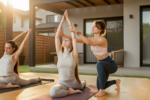
Progress may feel slow at first, but gradual improvement is more sustainable and reduces the risk of injury.
Safety Tips for Chronic Hip Tightness
Always move within a comfortable range and avoid sharp or pinching sensations. Use props like cushions or blocks to support your body. Focus on slow breathing, as tension often releases with the exhale. If pain persists or worsens, professional guidance should be sought before continuing.
Conclusion
Chronic hip stiffness does not resolve overnight, but it can improve with mindful, consistent movement. These ten simple yoga flows offer a safe and effective way to restore hip mobility, reduce tension, and support long-term joint health. By practicing gently and regularly, you give your hips the time and care they need to move freely again.
Disclaimer: This content is for informational purposes only and does not replace medical or professional advice. Always consult a qualified healthcare provider before starting a new exercise routine.