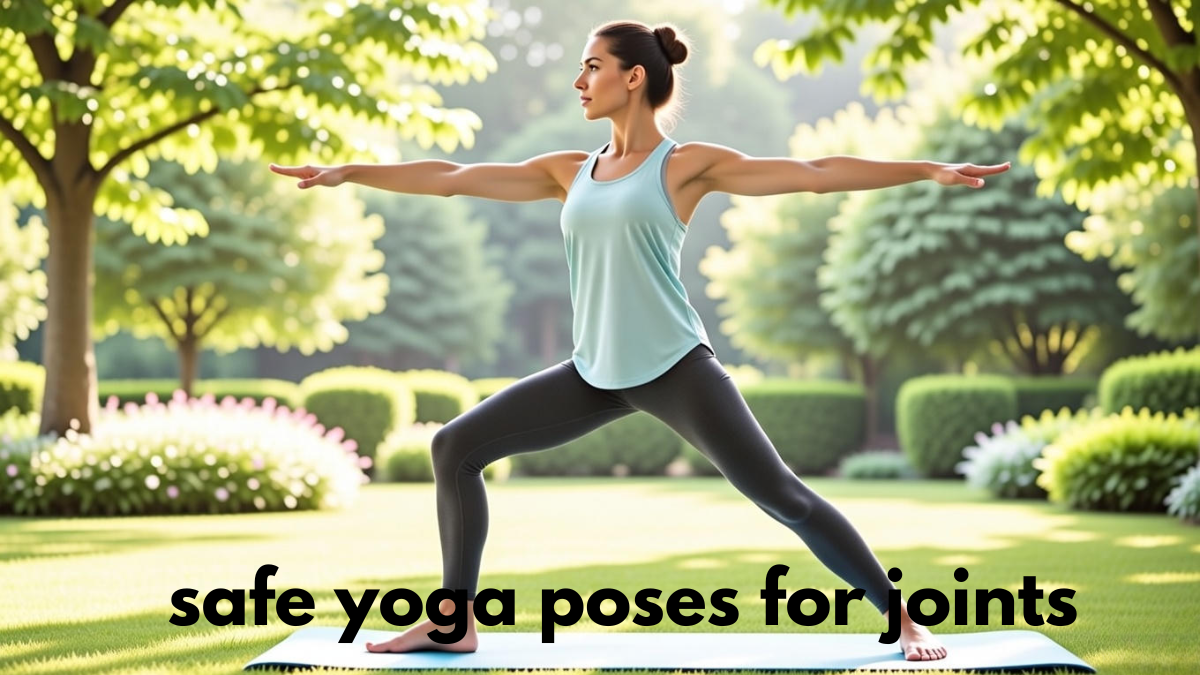
Stiff joints can quietly take over your daily life. Simple movements like getting out of bed, bending down, climbing stairs, or even turning your neck can feel uncomfortable and restricted. Joint stiffness often develops due to aging, lack of movement, prolonged sitting, stress, or conditions such as arthritis. While many people turn to intense workouts or stretching routines, these approaches can sometimes worsen discomfort instead of helping it.
This is where gentle yoga becomes a powerful solution. Yoga does not rely on force or sudden movements. Instead, it focuses on slow, controlled motion combined with mindful breathing. When practiced correctly, yoga helps lubricate joints, improve flexibility, strengthen supportive muscles, and restore natural movement patterns without placing strain on sensitive areas. The following six yoga poses are especially safe and effective for easing joint stiffness and gradually improving mobility.
Why Gentle Yoga Works So Well for Stiff Joints
Joints become stiff when they are not moved through their full, comfortable range of motion. Over time, reduced movement leads to tight muscles, decreased circulation, and limited flexibility. Gentle yoga addresses these issues by encouraging smooth, repetitive movements that increase blood flow and nourish the joints.
Another benefit of yoga is muscle support. Strong and flexible muscles surrounding the joints reduce pressure on the joints themselves. Yoga also improves posture and body awareness, helping you move more efficiently in everyday activities. Because yoga emphasizes listening to your body, it allows you to progress safely at your own pace.
Cat Cow Stretch to Mobilize the Spine and Neck
Cat Cow Stretch is one of the safest and most effective movements for relieving stiffness in the spine, neck, and shoulders. This pose gently moves the spine through flexion and extension, helping improve circulation between the vertebrae and easing tension.

As you transition slowly between arching and rounding the back, the joints of the spine receive gentle stimulation without compression. This movement also loosens tight muscles in the hips and upper back, making it an excellent warm-up for anyone with stiffness.
Practicing Cat Cow regularly can reduce morning stiffness and improve overall spinal mobility.
Child’s Pose to Release Hips and Lower Back
Child’s Pose is a deeply calming posture that allows the body to relax while gently stretching the hips, thighs, ankles, and lower back. It is especially helpful for people who experience stiffness in the knees or hips because the pose can be easily modified using cushions or blankets.
This pose encourages the joints to relax rather than work, which helps reduce inflammation and muscle tension. The gentle compression created in Child’s Pose also supports circulation, allowing joints to feel nourished and refreshed.
Holding this pose for extended breaths can significantly reduce stiffness and promote relaxation throughout the body.

Downward Facing Dog to Improve Full Body Joint Mobility
Downward Facing Dog works multiple joints at once, including shoulders, hips, knees, and ankles. When practiced gently, it encourages length through the spine while allowing the joints to move in a supported way.
This pose helps stretch tight hamstrings and calves, which often contribute to knee and hip discomfort. It also strengthens the muscles around the shoulders and wrists, improving joint stability.
Keeping the knees slightly bent and focusing on length rather than depth makes this pose safe and effective for people with joint stiffness.
Bridge Pose to Support Hips, Knees, and Spine
Bridge Pose is a gentle backbend that strengthens the muscles supporting the hips, knees, and lower back. Strong muscles play a key role in protecting joints and improving mobility.
This pose encourages controlled movement in the hip joints while activating the glutes and hamstrings. It also opens the front of the body, counteracting stiffness caused by prolonged sitting.

When done slowly and with proper alignment, Bridge Pose improves joint stability and promotes smoother movement patterns.
Seated Forward Bend to Lengthen Spine and Hamstrings
Seated Forward Bend is an effective pose for easing stiffness in the spine, hips, and hamstrings. Tight hamstrings often restrict pelvic movement, which can lead to lower back and knee discomfort.
This pose encourages gentle stretching without forcing the joints. Using props such as straps or folded blankets allows you to maintain comfort while gradually improving flexibility.
Regular practice of Seated Forward Bend helps restore mobility in the posterior chain of the body, which supports overall joint health.
Warrior II to Strengthen and Stabilize Joints
Warrior II is a standing pose that improves hip mobility while strengthening the muscles around the knees and ankles. Strong muscles help absorb impact and reduce stress on the joints.
This pose also improves balance and alignment, which are essential for joint safety. Practicing Warrior II slowly and mindfully allows the joints to adapt gradually without strain.
Over time, this posture builds confidence in movement and supports long-term joint stability.
How Often to Practice for Best Results
Consistency is more important than intensity when working with stiff joints. Practicing these yoga poses three to five times a week can lead to noticeable improvements in mobility and comfort. Even short sessions of 15 to 20 minutes can be effective when done regularly.
Moving slowly, breathing deeply, and stopping before discomfort arises are key principles. Using props such as blocks, straps, or chairs can make poses more accessible and safer.
Additional Tips for Joint-Friendly Yoga
Always warm up before deeper stretches and avoid bouncing or forcing movements. Focus on smooth transitions and steady breathing. Pain should never be part of the practice. Mild sensation is normal, but sharp or persistent pain is a sign to stop.

Staying hydrated and maintaining gentle daily movement outside of yoga also supports joint health.
Conclusion
Stiff joints do not have to control how you move or live. With a gentle and mindful yoga practice, you can gradually restore mobility, reduce discomfort, and regain confidence in your body. The six poses discussed here offer a safe and effective way to improve joint health without strain or pressure.
By practicing regularly and listening to your body, you can experience smoother movement, improved flexibility, and a greater sense of ease in everyday life.
Disclaimer: This content is for informational purposes only and should not be considered medical advice. Always consult a healthcare professional before starting a new exercise routine if you have existing joint conditions.