Hip stiffness and lower body tightness are increasingly common problems in modern lifestyles. Long hours of sitting, limited physical activity, stress, and aging all contribute to tight hips, hamstrings, and glutes. When these areas lose flexibility, everyday movements like walking, bending, or standing for long periods can feel uncomfortable and restricted. Over time, untreated stiffness may also affect posture and place extra strain on the lower back and knees.
Yoga offers a gentle yet highly effective solution. By combining mindful stretching, controlled movement, and deep breathing, yoga helps release tension, improve flexibility, and support long-term lower body health. Practiced consistently, these poses can restore comfort and mobility without placing stress on sensitive joints.
Why Hip Stiffness and Lower Body Tightness Develop
The hips play a central role in nearly every movement we make. When we sit for extended periods, hip flexors shorten while the glutes and hamstrings weaken. This imbalance limits joint mobility and reduces circulation, leading to stiffness and discomfort.
Lower body tightness can also develop from repetitive movements, lack of stretching, or emotional stress stored in the muscles. As flexibility decreases, the body compensates by altering movement patterns, which can worsen tightness over time. Gentle yoga works by reversing these effects through slow, intentional movement that restores balance and flexibility.
How Yoga Helps Release Hip and Lower Body Tension
Yoga targets both muscles and connective tissues surrounding the hips and legs. Slow stretches encourage muscles to lengthen safely while controlled breathing relaxes the nervous system, allowing deeper release. Regular practice improves blood flow and joint lubrication, which helps reduce stiffness and supports healthy movement.

Unlike intense workouts, yoga emphasizes comfort and awareness. This makes it suitable for beginners, seniors, and individuals recovering from inactivity. Over time, yoga strengthens supporting muscles while improving flexibility, creating stability and freedom of movement.
Key Benefits of Yoga for Hip and Lower Body Relief
Practicing yoga for hip stiffness and lower body tightness offers several physical and mental benefits.
- Improved hip flexibility and joint mobility
- Reduced tightness in hamstrings, glutes, and thighs
- Better posture and movement alignment
- Enhanced circulation to the lower body
- Reduced stress-related muscle tension
These benefits make yoga a valuable long-term practice for maintaining lower body comfort and function.
Effective Yoga Poses for Hip Stiffness and Tight Legs
Certain yoga poses are especially effective for opening the hips and relieving lower body tightness. These poses focus on stretching tight muscles while encouraging relaxation.
Child’s Pose gently stretches the hips, thighs, and lower back while calming the body. It is an ideal starting pose that prepares the muscles for deeper stretches.
Butterfly Pose opens the inner thighs and hip joints. By allowing the knees to relax outward, this pose improves hip mobility and releases groin tension.
Low Lunge Pose stretches the hip flexors and quadriceps, areas that often become tight due to prolonged sitting. Practicing this pose slowly helps restore natural hip extension.
Pigeon Pose targets deep hip muscles and the glutes. When practiced gently with proper support, it helps release stored tension and improves hip rotation.
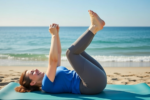
Reclined Figure-Four Stretch provides a controlled way to open the outer hips and glutes while supporting the lower back. This pose is especially helpful for easing stiffness caused by long sitting hours.
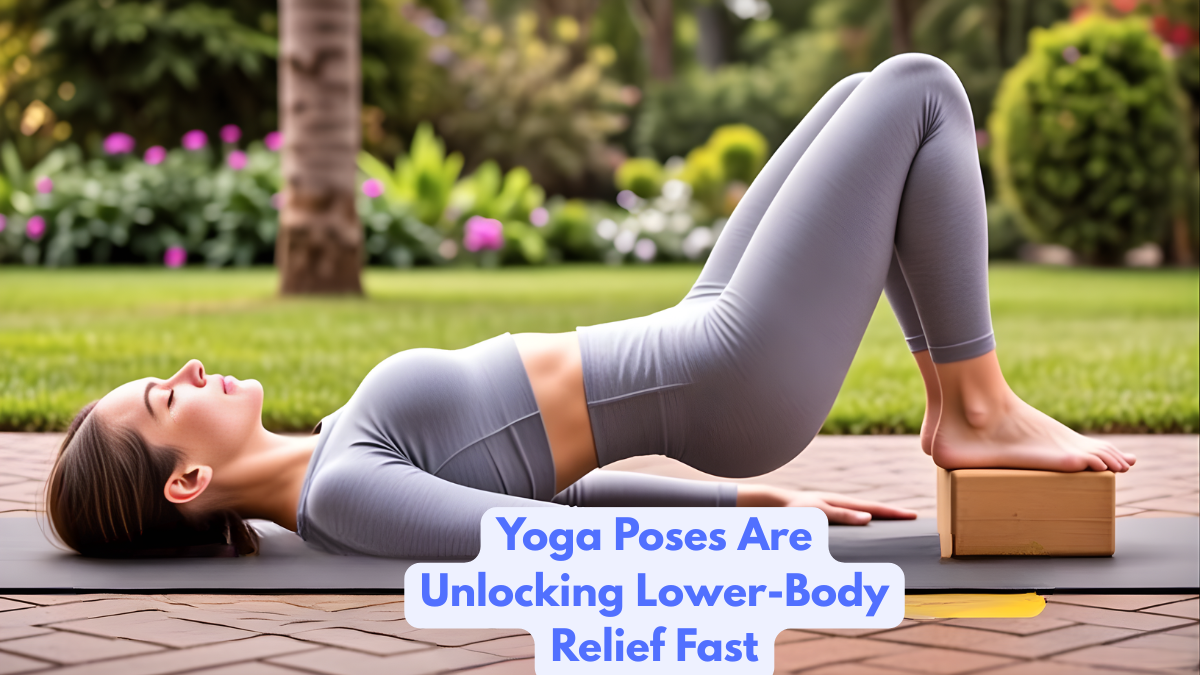
Bridge Pose strengthens the glutes and stretches the front of the hips simultaneously. This balanced action supports hip stability while improving flexibility.

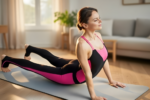
Downward Facing Dog stretches the hamstrings, calves, and hips while decompressing the spine. It enhances overall lower body flexibility and circulation.
Happy Baby Pose gently opens the hips while relaxing the lower back. This pose helps reduce stiffness and encourages a sense of ease in the hip joints.
A Simple Daily Yoga Sequence for Tight Hips
A short daily yoga routine can make a noticeable difference in flexibility and comfort. Begin with Child’s Pose to relax the body. Move into Butterfly Pose to open the inner thighs. Transition into Low Lunge on each side to stretch the front of the hips. Practice Pigeon Pose or Reclined Figure-Four Stretch for deeper hip release. Add Bridge Pose to activate and stretch the hips. Finish with Happy Baby Pose to fully relax the lower body.
Hold each pose for 30 seconds to one minute, focusing on slow, steady breathing. The goal is to encourage relaxation, not force flexibility.
Tips for Practicing Yoga Safely
Safety is essential when practicing yoga for hip stiffness and lower body tightness. Always move slowly and listen to your body. Mild stretching sensations are normal, but sharp or intense pain should be avoided.
Using props such as cushions, folded blankets, or yoga blocks can provide extra support and make poses more accessible. Practicing on a soft surface helps protect sensitive joints. Consistency matters more than intensity, so gentle daily practice is more effective than occasional deep stretching.
Individuals with existing hip injuries or chronic pain should consult a healthcare professional before starting a new routine.
How Long It Takes to See Improvement
Many people notice reduced stiffness and improved mobility within a few weeks of regular practice. Early improvements often include easier movement, better posture, and reduced discomfort after sitting. Long-term practice can support joint health, flexibility, and overall physical confidence.
Patience is important. Yoga works gradually, encouraging sustainable improvements that support long-term well-being.
Conclusion
Yoga poses designed for hip stiffness and lower body tightness offer a safe and effective way to restore mobility, release tension, and support everyday movement. By combining gentle stretching, mindful breathing, and consistent practice, yoga helps improve flexibility and reduce discomfort without placing strain on the joints.
Whether practiced in the morning to loosen stiff muscles or in the evening to unwind after a long day, yoga can become a powerful tool for maintaining lower body health, comfort, and freedom of movement.
Disclaimer: This article is for informational purposes only and does not replace professional medical advice. Consult a qualified healthcare provider before beginning any new exercise routine if you have existing medical conditions.