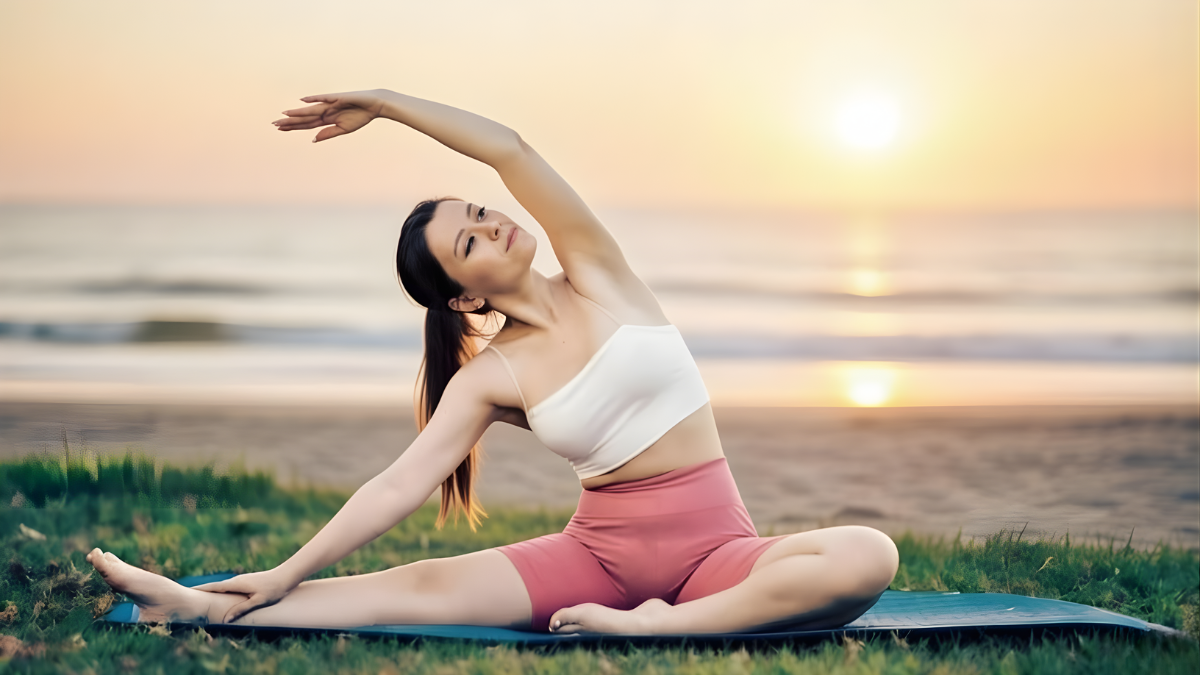
Hypertension, commonly known as high blood pressure, has become one of the most widespread health concerns of modern life. Stressful routines, lack of physical activity, poor sleep, and constant mental pressure place a heavy burden on the cardiovascular system. Over time, unmanaged blood pressure increases the risk of heart disease, stroke, and other serious complications. While medication and lifestyle changes remain essential, yoga has emerged as a powerful natural practice that supports blood pressure regulation and overall heart health.
Yoga works on both the body and mind. It combines gentle physical movement, controlled breathing, and deep relaxation, all of which directly influence the nervous system. When stress levels drop, the heart rate slows, blood vessels relax, and blood pressure naturally moves toward a healthier range. Regular yoga practice also improves circulation, enhances oxygen delivery, and encourages emotional balance, which plays a major role in heart wellness.
Below are six carefully selected yoga poses that are especially helpful for reducing hypertension and supporting a healthy heart when practiced consistently and mindfully.
How Yoga Supports Blood Pressure and Heart Health
High blood pressure is closely linked to chronic stress and nervous system imbalance. When the body stays in a constant “fight or flight” state, blood vessels remain tense and the heart works harder than necessary. Yoga activates the parasympathetic nervous system, often referred to as the “rest and digest” mode. This shift helps calm the heart, relax blood vessels, and lower stress hormones that contribute to elevated blood pressure.
In addition to relaxation, yoga gently improves flexibility, posture, and breathing efficiency. Deeper breathing increases oxygen intake and improves circulation, allowing the heart to function more efficiently. Over time, this combination supports better cardiovascular health and overall vitality.

Child’s Pose (Balasana): Deep Relaxation for the Nervous System
Child’s Pose is one of the most calming yoga postures and is especially beneficial for people dealing with hypertension. This pose encourages inward focus, slow breathing, and complete muscular relaxation. By lowering the body and resting the head, the nervous system receives a signal of safety and rest.
Practicing Child’s Pose regularly helps reduce mental tension and emotional stress, which are major contributors to high blood pressure. Holding the pose for one to three minutes while focusing on slow, steady breathing can noticeably calm the heart rate and promote a sense of emotional ease.
Seated Forward Bend (Paschimottanasana): Encourages Calm and Circulation
Seated Forward Bend is a gentle posture that soothes the nervous system while stretching the spine and back muscles. Forward bends are known for their calming effect because they naturally encourage introspection and slower breathing patterns.
In this pose, the chest moves closer to the legs, promoting relaxation and reducing mental agitation. This shift helps lower heart rate and supports blood pressure balance. Regular practice of Paschimottanasana also improves circulation and reduces stiffness caused by prolonged sitting or stress-related tension.
Bound Angle Pose (Baddha Konasana): Improves Circulation and Relaxation
Bound Angle Pose gently opens the hips and inner thighs while allowing the body to relax deeply. This posture improves blood flow in the pelvic region and encourages a relaxed breathing rhythm. When the body relaxes at this level, it sends calming signals throughout the cardiovascular system.

Baddha Konasana is particularly helpful when combined with slow breathing. Sitting upright with the spine elongated allows the lungs to expand fully, improving oxygen intake and supporting heart efficiency. This pose is ideal for longer holds, allowing both the body and mind to settle.
Legs Up the Wall (Viparita Karani): Supports Heart Function and Stress Relief
Legs Up the Wall is a restorative inversion that provides powerful benefits without strain. Unlike strong inversions, this pose keeps the heart relaxed while improving venous return, which helps blood flow back toward the heart more easily.
Viparita Karani reduces pressure in the lower body, eases swelling in the legs, and promotes deep relaxation. It is especially beneficial for people who experience fatigue, anxiety, or elevated blood pressure due to prolonged standing or mental stress. Holding this pose for five to ten minutes can significantly calm the nervous system and support heart health.
Cobra Pose (Bhujangasana): Opens the Chest and Enhances Breathing
Cobra Pose gently opens the chest and lungs, allowing for deeper and more efficient breathing. Improved breathing capacity directly benefits heart health by increasing oxygen delivery throughout the body. This pose also strengthens the spine and improves posture, which helps reduce compression in the chest area.
When practiced mindfully, Cobra Pose stimulates circulation without overexerting the heart. It is important to lift the chest gently and avoid strain, focusing on smooth inhalations and relaxed exhalations. This balanced approach helps energize the body while keeping blood pressure stable.

Corpse Pose (Shavasana): Complete Relaxation for Blood Pressure Control
Shavasana is one of the most powerful poses for managing hypertension. While it appears simple, it allows the body to fully absorb the benefits of yoga practice. During Shavasana, the heart rate slows, muscles relax, and stress hormones decrease.
Regular relaxation in Shavasana helps train the nervous system to remain calm even outside of yoga practice. Spending five to ten minutes in this pose at the end of a session significantly supports emotional balance, sleep quality, and long-term blood pressure management.
Why Consistency Matters in Yoga for Hypertension
Yoga is most effective for blood pressure control when practiced regularly. Short daily sessions are often more beneficial than occasional long practices. Even fifteen to twenty minutes of gentle yoga each day can create noticeable improvements in stress levels, breathing patterns, and heart function.
Consistency allows the nervous system to adapt to calmer states more easily. Over time, this reduces baseline stress responses and supports healthier cardiovascular patterns. Combining yoga with other healthy habits such as balanced nutrition, adequate sleep, and regular medical care creates a strong foundation for heart health.
Important Tips for Practicing Yoga with High Blood Pressure
When practicing yoga for hypertension, it is important to move slowly and avoid holding the breath. Sudden movements or excessive strain can increase blood pressure temporarily. Gentle poses, smooth transitions, and steady breathing are key.

Using props such as cushions or folded blankets can make poses more comfortable and reduce strain. Listening to your body and resting whenever needed ensures a safe and effective practice.
Conclusion
Managing hypertension requires a holistic approach that supports both the body and the mind. These six yoga poses offer a gentle yet powerful way to reduce stress, improve circulation, and support heart health naturally. By calming the nervous system and enhancing breathing, yoga helps the heart work more efficiently and supports healthier blood pressure levels over time.
With regular practice, yoga can become a valuable part of a heart-healthy lifestyle, promoting long-term wellness, emotional balance, and improved quality of life.
Disclaimer: This article is for informational purposes only and does not replace professional medical advice. Individuals with high blood pressure or heart conditions should consult a qualified healthcare provider before beginning any new yoga or exercise routine.