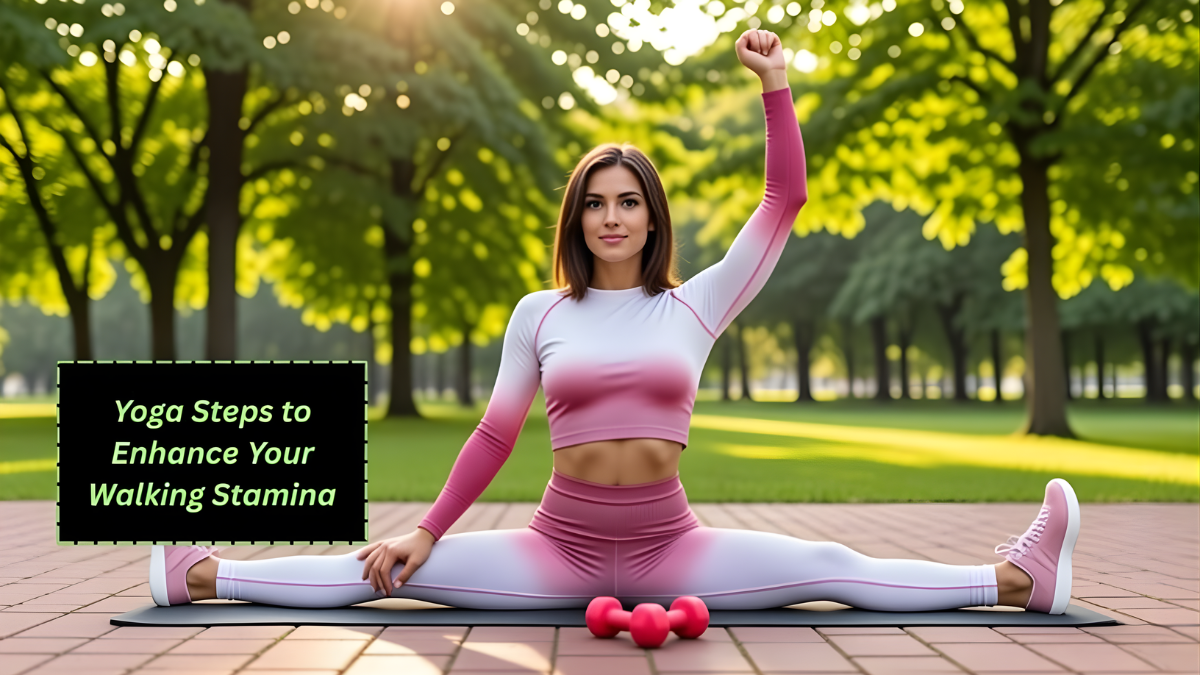
Walking is one of the most accessible and effective forms of physical activity, yet many people struggle with fatigue, shortness of breath, or leg discomfort when they try to walk longer distances. Walking stamina is not just about how strong your legs are. It depends on posture, balance, breathing efficiency, muscle coordination, and recovery. This is where yoga becomes a powerful and natural support system.
Yoga strengthens the muscles used in walking, improves joint mobility, enhances balance, and trains the breath to work efficiently with movement. Unlike intense workouts, yoga builds stamina gradually and sustainably, making it ideal for beginners, older adults, and anyone looking to walk longer without exhaustion. Below are ten approved yoga steps that can help you naturally enhance your walking stamina when practiced consistently.
Why Yoga Is Effective for Improving Walking Stamina
Walking stamina improves when the body moves efficiently and wastes less energy. Yoga trains the body to align properly, engage the right muscles, and breathe deeply. Strong legs reduce fatigue, a stable core improves posture, flexible joints prevent stiffness, and controlled breathing supports endurance.
Yoga also strengthens smaller stabilizing muscles that are often ignored in regular exercise. These muscles play a key role in balance and long-distance walking comfort. Over time, yoga helps the body adapt to sustained movement with less strain.
1. Chair Pose to Strengthen Legs and Build Endurance
Chair Pose activates the thighs, hips, glutes, and core, which are essential for prolonged walking. Holding this pose builds muscular endurance rather than just strength. As the legs learn to sustain effort, walking becomes easier and more stable.
Regular practice improves knee support and reduces early leg fatigue during walks.

2. Warrior I to Improve Power and Stability
Warrior I strengthens the legs while opening the hips and chest. This combination supports longer strides and upright posture. The pose trains the body to remain strong while maintaining balance, which directly translates to better walking efficiency.
Holding Warrior I for multiple breaths increases stamina and mental focus.
3. Warrior II for Hip and Thigh Endurance
Warrior II emphasizes lateral stability and thigh strength. Strong hips help maintain consistent walking rhythm and reduce strain on the knees. This pose also improves awareness of weight distribution, which helps prevent uneven walking patterns.
With regular practice, this posture builds the endurance needed for long walks without discomfort.
4. Tree Pose to Enhance Balance and Walking Control
Balance plays a major role in walking stamina. Poor balance leads to wasted energy and quicker fatigue. Tree Pose strengthens the ankles, calves, and core while improving focus and posture.
Better balance allows smoother walking, especially on uneven surfaces, and reduces the risk of missteps that drain energy.

5. Bridge Pose to Support Glutes and Lower Back
Bridge Pose strengthens the glutes and lower back, which are essential for maintaining an upright walking posture. Weak glutes often cause poor posture and faster fatigue during walks.
This pose also opens the hip flexors, allowing for more comfortable and longer strides.
6. Cobra Pose to Improve Posture and Breathing
Cobra Pose opens the chest and strengthens the spine, helping correct slouched posture. When the chest is open, breathing becomes deeper and more efficient, which is critical for stamina.
Good posture reduces pressure on the lungs and allows oxygen to flow more freely during walking.
7. Downward-Facing Dog for Full-Body Conditioning
Downward-Facing Dog stretches the calves, hamstrings, and spine while strengthening the arms and legs. This pose improves circulation and relieves tension in muscles that become tight from walking.
It also helps prevent calf fatigue and stiffness, which are common barriers to longer walks.

8. Plank Pose to Build Core Endurance
A strong core is essential for walking stamina. Plank Pose strengthens the abdominal muscles, back, and shoulders, helping maintain stable posture over long distances.
When the core is engaged, the legs work more efficiently, reducing overall fatigue.
9. Legs Up the Wall for Recovery and Circulation
Recovery is just as important as strength building. Legs Up the Wall helps reduce leg fatigue, improves blood circulation, and speeds up muscle recovery after long walks.
This restorative pose allows the nervous system to relax, preparing the body for consistent stamina improvement.
10. Sun Salutation to Build Overall Endurance
Sun Salutation is a flowing sequence that combines strength, flexibility, and breath control. Practicing multiple rounds builds cardiovascular endurance and trains the body to coordinate movement with breathing.
This sequence improves overall stamina and prepares the body for longer walking sessions.

How These Yoga Steps Improve Walking Stamina Naturally
These yoga steps work together to improve stamina in multiple ways. They strengthen the muscles responsible for propulsion and posture, increase joint mobility for smoother movement, and enhance breathing efficiency to reduce fatigue. Yoga also improves mental focus, which helps maintain consistent pace during long walks.
Over time, the body learns to conserve energy, making walking feel lighter and less exhausting.
How Often You Should Practice for Best Results
Practicing these yoga steps three to five times per week is ideal for noticeable stamina improvement. Even short sessions of twenty to thirty minutes can produce results when done consistently. These poses can be practiced before walking as a warm-up or after walking for recovery.
Consistency matters more than intensity when building stamina naturally.
Safety Tips While Practicing Yoga for Walking Stamina
Always move within a comfortable range and avoid forcing any pose. Focus on steady breathing and proper alignment rather than holding poses for too long. If you have joint pain or medical conditions, modify poses as needed and seek professional guidance.
Yoga should support walking, not cause strain or discomfort.

Conclusion
Walking stamina improves best when strength, balance, posture, and breathing work together. These ten approved yoga steps offer a natural and effective way to enhance endurance without harsh workouts or equipment. With regular practice, yoga can help you walk longer distances, feel less tired, and enjoy movement with greater ease.
By combining yoga with your walking routine, you create a balanced approach to fitness that supports long-term health and sustainable stamina.
Disclaimer: This content is for informational purposes only and does not replace professional medical or fitness advice. Always consult a qualified healthcare provider before starting a new exercise routine.